Tabernacle, Courtyard and Their Contents1
Type : Antitype Tabernacle: (Exo 26-30 ch.) It has several names or descriptive names: "the tabernacle of the tent of the congregation" (Exo 29:32; 40:2, 6, 29), "the tent of the congregation" (Exo 39:40; 40:22, 34-35) "the tabernacle of the congregation" (Exo 27:21; 28:43; 29:4, 10-11, 30, 32, 42, 44; 30:16, 18, 20, 26, 36; 31:7; 33:7; 35:21; 38:8, 30; 40:12; Lev 1:1, 3, 5; 3:2, 8; 16:16; etc.), and "the tent of the testimony" (Num 9:15). "And the Lord spake unto Moses, saying, See, I have called by name Bezaleel the son of Uri, the son of Hur, of the tribe of Judah: And I have filled him with the spirit of God, in wisdom, and in understanding, and in knowledge, and in all manner of workmanship, To devise cunning works, to work in gold, and in silver, and in brass, And in cutting of stones, to set them, and in carving of timber, to work in all manner of workmanship. And I, behold, I have given with him Aholiab, the son of Ahisamach, of the tribe of Dan: and in the hearts of all that are wise hearted I have put wisdom, that they may make all that I have commanded thee; The tabernacle of the congregation, and the ark of the testimony, and the mercy seat that is thereupon, and all the furniture of the tabernacle, And the table and his furniture, and the pure candlestick with all his furniture, and the altar of incense, And the altar of burnt offering with all his furniture, and the laver and his foot, And the cloths of service, and the holy garments for Aaron the priest, and the garments of his sons, to minister in the priest's office, And the anointing oil, and sweet incense for the holy place: according to all that I have commanded thee shall they do." (Exo 31:1-11); "And look that thou make them after their pattern, which was shewed thee in the mount." (Exo 25:40)
"... And thou shalt make it an oil of holy ointment, an ointment compound after the art of the apothecary: it shall be an holy anointing oil. And thou shalt anoint the tabernacle of the congregation therewith, and the ark of the testimony, And the table and all his vessels, and the candlestick and his vessels, and the altar of incense, And the altar of burnt offering with all his vessels, and the laver and his foot. And thou shalt sanctify them, that they may be most holy: whatsoever toucheth them shall be holy." (Exo 30:22-30) [Penalties for negligence: Exo 28:43; Lev 10:1-2; Num 4:15, 20; 17:13; 2 Sam 6:6-9]
It was a place for the people to meet with God according to God's terms and be accepted by Him, that is to be considered clean, holy, righteous by way of the Tabernacle system of obligations and duties combined with ritual cleansing and sacrifices. And these in turn pointed to the need for a sufficient sacrifice to pay for sins and establish righteousness, i.e. a saviour for them like unto Moses. (Deut 18:15) This saviour came to be known as the Messiah whom Isaiah described (Isa 53:3-4) as a suffering saviour, one who "was despised, rejected of men, a man of sorrows, and acquainted with grief: and we hid as it were our faces from him; he was despised, and we esteemed him not. Surely he hath borne our griefs, and carried our sorrows: yet we did esteem him stricken, smitten of God, and afflicted."
Type : Antitype The whole tabernacle system with its sacrifices and appointments pointed toward Heavenly things: God instructed Moses to construct “a sanctuary.” "And look that thou make them after their pattern, which was shewed thee in the mount." (Exo 25:40); "And let them make me a sanctuary; that I may dwell among them. According to all that I shew thee, after the pattern of the tabernacle, and the pattern of all the instruments thereof, even so shall ye make it." (Exo 25:8-9) Upon its completion God displayed his presence. "Then a cloud covered the tent of the congregation, and the glory of the Lord filled the tabernacle." (Exo 40:34) —|— "Who serve unto the example and shadow of heavenly things, as Moses was admonished of God when he was about to make the tabernacle: for, See, saith he, that thou make all things according to the pattern shewed to thee in the mount. (Heb 8:5); "It was therefore necessary that the [Tabernacle system of] patterns of things in the heavens should be purified with these [rituals]; but the heavenly things themselves with better sacrifices than these. For Christ is not entered into the holy places made with hands, which are the figures of the true; but into heaven itself, now to appear in the presence of God for us." (Heb 9:24)
The tabernacle patterns point to those spiritual things that God will bring about with their intended fulfillment in Christ Jesus. "But Christ being come an high priest of good things to come, by a greater and more perfect tabernacle, not made with hands, that is to say, not of this building." (Heb 9:11) Clouds often portray heaven or God's presence (Exo 19:9; 24:16; 34:5; 40:34-38; etc.). "And when he had spoken these things, while they beheld, he was taken up; and a cloud received him out of their sight. And while they looked stedfastly toward heaven as he went up, behold, two men stood by them in white apparel." (Acts 1:9-10); "And then shall appear the sign of the Son of man in heaven: and then shall all the tribes of the earth mourn, and they shall see the Son of man coming in the clouds of heaven with power and great glory." (Matt 24:30) [See: Cloud of heaven]
One purpose of the tabernacle and later the temple was to illustrate a restored relationship between God and His people. Christ Jesus, as a ransom for all, provided the complete basis for forgiveness, reconciliation and eternal life. "Therefore being justified by faith, we have peace with God through our Lord Jesus Christ." (Rom 5:1); "And, having made peace through the blood of his cross, by him to reconcile all things unto himself; by him, I say, whether they be things in earth, or things in heaven." (Col 1:20) He is the real 'temple builder' that Moses, Solomon and Zerubbabel previewed. "And he said unto them, These are the words which I spake unto you, while I was yet with you, that all things must be fulfilled, which were written in the law of Moses, and in the prophets, and in the psalms, concerning me." (Luke 24:44); "After this I will return, and will build again the tabernacle of David, which is fallen down; and I will build again the ruins thereof, and I will set it up." (Acts 15:16); "For through him we both have access by one Spirit unto the Father. Now therefore ye are no more strangers and foreigners, but fellow citizens with the saints, and of the household of God; And are built upon the foundation of the apostles and prophets, Jesus Christ himself being the chief corner stone; In whom all the building fitly framed together groweth unto an holy temple in the Lord: In whom ye also are builded together for an habitation of God through the Spirit." (Eph 2:18-22); "And, having made peace through the blood of his cross, by him to reconcile all things unto himself; by him, I say, whether they be things in earth, or things in heaven." (Col 1:20); "Wherefore he is able also to save them to the uttermost that come unto God by him, seeing he ever liveth to make intercession for them." (Heb 7:25)
The tabernacle system with its sacrifices and appointments pointed toward Christ Jesus as shown in Heb 9:1-4: "Then verily the first covenant had also ordinances of divine service, and a worldly sanctuary. For there was a tabernacle made; the first, wherein was the candlestick, and the table, and the shewbread; which is called the sanctuary. And after the second veil, the tabernacle which is called the Holiest of all; Which had the golden censer, and the ark of the covenant overlaid round about with gold, wherein was the golden pot that had manna (Exo 16:33) and Aaron's rod that budded (Num 17:10), and the tables of the covenant (Deut 31:26)." Jesus declared in Matthew 11:13, "For all the prophets and the law prophesied until John." and again in Luke 24:44, "And he said unto them, These are the words which I spake unto you, while I was yet with you, that all things must be fulfilled, which were written in the law of Moses, and in the prophets, and in the psalms, concerning me." and again in John 5:39, "Search the scriptures; for in them ye think ye have eternal life: and they are they which testify of me." "For in him dwelleth all the fulness of the Godhead bodily." (Col 2:9) This shows us that the Law Covenant and the Tabernacle services pointed to Christ. This is reiterated by Peter when he says in Acts 3:18, "But those things, which God before had shewed by the mouth of all his prophets, that Christ should suffer, he hath so fulfilled." Apostle Paul said in Galations 3:24, "Wherefore the law was our schoolmaster to bring us unto Christ, that we might be justified by faith." These reveal in preview "the true tabernacle." (Heb 8:2); "Who serve unto the example and shadow of heavenly things, as Moses was admonished of God when he was about to make the tabernacle: for, See, saith he, that thou make all things according to the pattern shewed to thee in the mount." (Heb 8:5); "It was therefore necessary that the patterns of things in the heavens should be purified with these; but the heavenly things themselves with better sacrifices than these." (Heb 9:23); "For the law having a shadow of good things to come, and not the very image of the things, can never with those sacrifices which they offered year by year continually make the comers thereunto perfect." (Heb 10:1) [See: *Badger skins; Brass; Goat hair; Gold; Linen; Ram skins; Silver; Shittim wood] [See: Purpose for the Tabernacle; The Basis of God's Judgment Upon All Mankind; That All Men Should Honor The Son; Messianic Prophecies; Tabernacle; image of general layout: Tabernacle & enclosure; suggested images of the various items: Tabernacle 3D Project]
The Entire Enclosure
[Tabernacle & Temple component]
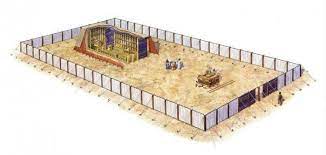
Type : Antitype Enclosure: on the north (right side upon entering) and south side the hangings of the court were one hundred cubits of fine twined white linen* hung upon twenty wood* pillars each with upper hooks and fillets* and overlaid chapiters of silver*, all set upon twenty brass sockets*; on the west side (back or far end) were linen hangings of fifty cubits upon ten wood pillars each with upper hooks and fillets of silver, all set upon twenty brasen sockets; and the east side fifty cubits with a center gate* or entrance (twenty cubits wide). The white linen hangings on each side of the gate were fifteen cubits hung upon three wood pillars each with upper hooks and fillets of silver, all set upon three brasen sockets. The hanging for the gate of the court was decorated with needlework of blue*, purple* and scarlet* from fine twined linen twenty cubits wide and five cubits high, the same height as the hangings of the whole court. This center gate or entrance had four wood pillars, each with upper hooks and fillets and overlaid chapiters of silver, set upon four brass sockets. The wood boards* of the tabernacle structure* round about and the wood pillars of the court required anchor pins made of brass (Exo 38:20) with tether cords (Exo 35:18; 39:40; Num 3:26, 37; 4:26, 32) to keep the structure standing. (Exo 35 & 38ch) [ * See: Brass / Copper; Brass sockets; Colors; Gate of Court; Shittim wood; Silver; Silver fillets & hooks; Tabernacle tent; White linen]
Court / Courtyard: The curtains were hung up with silver hooks upon wooden posts (shittim wood) which stood in brass / copper sockets. All of the wood posts or pillars of the court had chapiters and fillets of silver overlay at the top plus silver hooks. "Blessed is the man whom thou choosest, and causest to approach unto thee, that he may dwell in thy courts: we shall be satisfied with the goodness of thy house, even of thy holy temple." (Psa 65:4); "For a day in thy courts is better than a thousand. I had rather be a doorkeeper in the house of my God, than to dwell in the tents of wickedness." (Psa 84:10); "Enter into his gates with thanksgiving, and into his courts with praise: be thankful unto him, and bless his name." (Psa 100:4) —|— The linen hangings or curtains surrounding the court (and the three gates) hung upon silver hooks suggest faith built or relying upon the word of God (i.e. the word of truth) sent unto men. (Psa 119:160; John 17:17; 2 Tim 2:15) The linen curtains or wall also suggest righteousness, which the Bible presents as the requirement to please the holy Creator and be in relationship to Him. The curtains of "righteousness" suggest belief and trust in God's word and allegiance to Him. Therefore the "court" suggested the position of those who believe unto salvation. It provides an apt illustration of "justification." "Verily, verily, I say unto you, He that heareth my word, and believeth on him that sent me, hath everlasting life, and shall not come into condemnation; but is passed from death unto life." (John 5:24); "Then said Jesus to those Jews which believed on him, If ye continue in my word, then are ye my disciples indeed." (John 8:31); "For I have given unto them the words which thou gavest me; and they have received them, and have known surely that I came out from thee, and they have believed that thou didst send me." (John 17:8); "For we are his workmanship, created in Christ Jesus unto good works, which God hath before ordained that we should walk in them." (Eph 2:10); "But if we walk in the light, as he is in the light, we have fellowship one with another, and the blood of Jesus Christ his Son cleanseth us from all sin." (1 John 1:7) [Gal 6:10; 1 Tim 5:8; Heb ch 11]
Outside the court: presented the position of those who do not believe God. The linen curtains separates, or demarcates, those inside that hear, search, believe and obey from those outside of the court wall who do not believe what God has said in His word. Those without neither trust nor desire to embrace the message of the holy scriptures of the Bible which lays out how God made man, how man rebelled and was punished, and how God plans to restore through Christ Jesus those willing to believe Him. The court provides an apt illustration of a wall of unbelief, of condemnation, of those still in their sins. Those outside the court are characterized as people who are filled with: doubt, distrust, dispute, distortion, twisting, contention, unbelief, scoffing, refusal, rejection, darkness, blindness, rebellion, animosity, blasphemy, hatred, villany, et cetera as revealed by their actions. "Being filled with all unrighteousness, fornication, wickedness, covetousness, maliciousness; full of envy, murder, debate, deceit, malignity; whisperers, Backbiters, haters of God, despiteful, proud, boasters, inventors of evil things, disobedient to parents, Without understanding, covenantbreakers, without natural affection, implacable, unmerciful: Who knowing the judgment of God, that they which commit such things are worthy of death, not only do the same, but have pleasure in them that do them." (Rom 1:29-32) All of these attitudes and behaviors lead them unto condemnation and punishment ending in death. (Rev 22:15); "Observe and hear all these words which I command thee, that it may go well with thee, and with thy children after thee for ever, when thou doest that which is good and right in the sight of the Lord thy God." (Deut 12:28); "And ye shall make no league with the inhabitants of this land; ye shall throw down their altars: but ye have not obeyed my voice: why have ye done this?" (Judg 2:2); "Yet the Lord testified against Israel, and against Judah, by all the prophets, and by all the seers, saying, Turn ye from your evil ways, and keep my commandments and my statutes, according to all the law which I commanded your fathers, and which I sent to you by my servants the prophets. Notwithstanding they would not hear, but hardened their necks, like to the neck of their fathers, that did not believe in the Lord their God. And they rejected his statutes, and his covenant that he made with their fathers, and his testimonies which he testified against them; and they followed vanity, and became vain, and went after the heathen that were round about them, concerning whom the Lord had charged them, that they should not do like them." (2 Kgs 17:13-15) —|— "Enter ye in at the strait gate: for wide is the gate, and broad is the way, that leadeth to destruction, and many there be which go in thereat." (Matt 7:13); "He that believeth on him is not condemned: but he that believeth not is condemned already, because he hath not believed in the name of the only begotten Son of God. And this is the condemnation, that light is come into the world, and men loved darkness rather than light, because their deeds were evil. For every one that doeth evil hateth the light, neither cometh to the light, lest his deeds should be reproved. But he that doeth truth cometh to the light, that his deeds may be made manifest, that they are wrought in God." (John 3:18-21); "So we see that they could not enter in because of unbelief." (Heb 3:19; 4:6, 11); "And Jesus answering said unto them, Suppose ye that these Galilaeans were sinners above all the Galilaeans, because they suffered such things? I tell you, Nay: but, except ye repent, ye shall all likewise perish. Or those eighteen, upon whom the tower in Siloam fell, and slew them, think ye that they were sinners above all men that dwell in Jerusalem? I tell you, Nay: but, except ye repent, ye shall all likewise perish." (Luke 13:2-5); "And they also, if they abide not still in unbelief, shall be grafted in: for God is able to graft them in again." (Rom 11:23)
Inside the court: presented the household of faith—the position of those with belief, full of faith, trusting God, and drawing nigh to Him. Those inside the court, entered by the court "gate," are seeking God's will (Matt 11:29; John 6:45) and accepting His provision for righteousness. "But the word is very nigh unto thee, in thy mouth, and in thy heart, that thou mayest do it. See, I have set before thee this day life and good, and death and evil; In that I command thee this day to love the Lord thy God, to walk in his ways, and to keep his commandments and his statutes and his judgments, that thou mayest live and multiply: and the Lord thy God shall bless thee in the land whither thou goest to possess it." (Deut 30:14-16); "Ye shall therefore keep my statutes, and my judgments: which if a man do, he shall live in them: I am the Lord." (Lev 18:5); "Create in me a clean heart, O God; and renew a right spirit within me." (Psa 51:10) —|— "But now the righteousness of God without the law is manifested, being witnessed by the law and the prophets; Even the righteousness of God which is by faith of Jesus Christ unto all and upon all them that believe: for there is no difference." (Rom 3:21-22); "But to him that worketh not, but believeth on him that justifieth the ungodly, his faith is counted for righteousness. Even as David also describeth the blessedness of the man, unto whom God imputeth righteousness without works, Saying, Blessed are they whose iniquities are forgiven, and whose sins are covered. (Rom 4:5-7); "Because strait is the gate, and narrow is the way, which leadeth unto life, and few there be that find it." (Matt 7:14); "And as Moses lifted up the serpent in the wilderness, even so must the Son of man be lifted up: That whosoever believes in him should not perish, but have eternal life. For God so loved the world, that he gave his only begotten Son, that whosoever believes in him should not perish, but have everlasting life." (John 3:14-16); "But what saith it? The word is nigh thee, even in thy mouth, and in thy heart: that is, the word of faith, which we preach; That if thou shalt confess with thy mouth the Lord Jesus, and shalt believe in thine heart that God hath raised him from the dead, thou shalt be saved. For with the heart man believeth unto righteousness; and with the mouth confession is made unto salvation. For the scripture saith, Whosoever believeth on him shall not be ashamed." (Rom 10:8-11); "Wherefore the law was our schoolmaster to bring us unto Christ, that we might be justified by faith. But after that faith is come, we are no longer under a schoolmaster. For ye are all the children of God by faith in Christ Jesus." (Gal 3:24-26); "Being filled with the fruits of righteousness, which are by Jesus Christ, unto the glory and praise of God." (Php 1:11); (John 11:40; 16:33; 2 Cor 5:17; Gal 6:15; Eph 2:11-14a; Heb 3:1; 2 Pet 1:4) [See: Brass; Linen; Shittim; Silver]
The court — the household of faith: The curtains of "righteousness" suggest belief and trust in God's word and allegiance to Him. "Blessed is the man whom thou choosest, and causest to approach unto thee, that he may dwell in thy courts: we shall be satisfied with the goodness of thy house, even of thy holy temple." (Psa 65:4); "For a day in thy courts is better than a thousand. I had rather be a doorkeeper in the house of my God, than to dwell in the tents of wickedness." (Psa 84:10); "Enter into his gates with thanksgiving, and into his courts with praise: be thankful unto him, and bless his name." (Psa 100:4) —|— "Verily, verily, I say unto you, He that heareth my word, and believeth on him that sent me, hath everlasting life, and shall not come into condemnation; but is passed from death unto life." (John 5:24); "Then said Jesus to those Jews which believed on him, If ye continue in my word, then are ye my disciples indeed." (John 8:31); "For I have given unto them the words which thou gavest me; and they have received them, and have known surely that I came out from thee, and they have believed that thou didst send me." (John 17:8); "For we are his workmanship, created in Christ Jesus unto good works, which God hath before ordained that we should walk in them." (Eph 2:10); "But if we walk in the light, as he is in the light, we have fellowship one with another, and the blood of Jesus Christ his Son cleanseth us from all sin." (1 John 1:7) [See: Isa 56:1-8; 58:8-14; 59:19-21; Micah 4:5; Jer 3:31-34; Heb 8:8-10; Zech 8:23; Gal 6:10; 1 Tim 5:8; Heb ch 11]
[Tabernacle & Temple component]
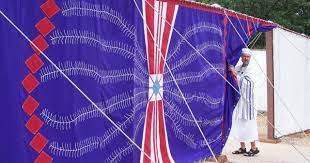
The east side was fifty cubits wide with a center gate or entrance (twenty cubits wide). The white linen hangings on each side of the gate were fifteen cubits long and hung upon three wood pillars each with upper hooks and fillets of silver, all set upon three brasen sockets. The center gate or entrance way had four wood pillars, each with upper hooks and fillets and overlaid chapiters of silver, set upon four brass sockets. The hanging for the gate of the court was decorated with needlework of blue, purple and scarlet from fine twined linen twenty cubits wide and five cubits high, the same height as the hangings of the whole court. (Exo 27:14-17; 38:14-19; 39:40; 40:8, 33)
Type : Antitype The hanging for the gate of the court was decorated with needlework of blue, purple and scarlet from fine twined linen twenty cubits wide and five cubits high, the same height as the hangings of the whole court. This center gate or entrance had four wood pillars, each with upper hooks and overlaid chapiters and fillets of silver, set upon four brass sockets. Everyone who entered the court came through this hanging gate—priest, Levite or any individual bringing an offering. —|— This gate represents Christ Jesus: the person and message of Christ as the great teacher who speaks truth to humanity, "I am the way, the truth, and the life: no man cometh unto the Father, but by me." (John 14:6; Rom 15:8). "Neither is there salvation in any other: for there is none other name under heaven given among men, whereby we must be saved." (Acts 4:12); "Enter ye in at the strait gate: for wide is the gate, and broad is the way, that leadeth to destruction, and many there be which go in thereat: Because strait is the gate, and narrow is the way, which leadeth unto life, and few there be that find it." Matt 7:13-14"; I am the door: by me if any man enter in, he shall be saved, and shall go in and out, and find pasture." John 10:9; "Jesus saith unto him, I am the way, the truth, and the life: no man cometh unto the Father, but by me." (John 14:6)
These three expressions match the three doorways of the court and Tabernacle. "I am the way" - the Gate into the court, "I am the truth" - the First vail into the Tabernacle, "I am the life" - the Second vail into the most holy of God's presence. The Levitical High Priest must pass through these three doorways to enter the most holy before the ark* (of judgment) and mercy seat* (of forgiveness through Christ Jesus) and return again to bless the people. (Lev 9:6-24; Num 6:22-27; Lev 16 chpt) To pass under the gateway/doorway into the court, holy, or most holy each person had to bow down and humble himself. "O come, let us worship and bow down: let us kneel before the Lord our maker." (Psa 95:6); "Open to me the gates of righteousness: I will go into them, and I will praise the Lord: This gate of the Lord, into which the righteous shall enter." (Psa 118:19-20); "I acknowledge my sin unto thee, and mine iniquity have I not hid. I said, I will confess my transgressions unto the Lord; and thou forgavest the iniquity of my sin. Selah." (Psa 32:5); "The Lord is longsuffering, and of great mercy, forgiving iniquity and transgression, and by no means clearing the guilty ..." (Num 14:18))
I am the way: "And Jesus said unto them, Come ye after me, and I will make you to become fishers of men." (Mark 1:17); "Then said Jesus unto his disciples, If any man will come after me, let him deny himself, and take up his cross, and follow me." (Matt 16:24; Mark 8:34; Luke 9:23); "And whosoever doth not bear his cross, and come after me, cannot be my disciple." (Luke 14:27); "And they were in the way going up to Jerusalem; and Jesus went before them: and they were amazed; and as they followed, they were afraid. And he took again the twelve, and began to tell them what things should happen unto him." (Mark 10:32); "And Jesus going up to Jerusalem took the twelve disciples apart in the way, and said unto them." (Matt 20:17)
I am the truth: "He that cometh from above is above all: he that is of the earth is earthly, and speaketh of the earth: he that cometh from heaven is above all. And what he hath seen and heard, that he testifieth; and no man receiveth his testimony. He that hath received his testimony hath set to his seal that God is true. For he whom God hath sent speaketh the words of God: for God giveth not the Spirit by measure unto him." (John 3:31-34); "Now about the midst of the feast Jesus went up into the temple, and taught." (John 7:14); "But now ye seek to kill me, a man that hath told you the truth, which I have heard of God: this did not Abraham. Ye do the deeds of your father. Then said they to him, We be not born of fornication; we have one Father, even God. Jesus said unto them, If God were your Father, ye would love me: for I proceeded forth and came from God; neither came I of myself, but he sent me. Why do ye not understand my speech? even because ye cannot hear my word.Ye are of your father the devil, and the lusts of your father ye will do. He was a murderer from the beginning, and abode not in the truth, because there is no truth in him. When he speaketh a lie, he speaketh of his own: for he is a liar, and the father of it. And because I tell you the truth, ye believe me not. Which of you convinceth me of sin? And if I say the truth, why do ye not believe me?" (John 8:40-46)
I am the life: "The Father loveth the Son, and hath given all things into his hand. He that believeth on the Son hath everlasting life: and he that believeth not the Son shall not see life; but the wrath of God abideth on him." (John 3:35-36); "Jesus said unto her, I am the resurrection, and the life: he that believeth in me, though he were dead, yet shall he live: And whosoever liveth and believeth in me shall never die. Believest thou this?" (John 11:25-26); "And when he had spoken these things, while they beheld, he was taken up; and a cloud received him out of their sight. And while they looked stedfastly toward heaven as he went up, behold, two men stood by them in white apparel." (Acts 1:9-10); "And then shall appear the sign of the Son of man in heaven: and then shall all the tribes of the earth mourn, and they shall see the Son of man coming in the clouds of heaven with power and great glory." (Matt 24:30); "Then we which are alive and remain shall be caught up together with them in the clouds, to meet the Lord in the air: and so shall we ever be with the Lord." (1 Thes 4:17); "I am he that liveth, and was dead; and, behold, I am alive for evermore, Amen; and have the keys of hell and of death." (Rev 1:18) [See: Brass]
[Tabernacle component]
unknown
Type : Antitype A silver fillet and a silver hook capped each of the posts upon which to hang the fine twined white linen hangings (of righteousness, see: Court / courtyard). The wood posts holding the silver fillet and hook are set in brass / copper sockets. The silver of the fillet and hook at the top of each of the posts suggested that truth, i.e. the word of God, comes from the top down to mankind. Man is not the source of truth but God originates and establishes truth as the scripture states: "So God created man in his own image, in the image of God created he him; male and female created he them." (Gen 1:27); "I have made the earth, and created man upon it: I, even my hands, have stretched out the heavens, and all their host have I commanded." (Isa 45:12); "For in him we live, and move, and have our being; as certain also of your own poets have said, For we are also his offspring." (Acts 17:28); "And now, O Lord God, thou art that God, and thy words be true, and thou hast promised this goodness unto thy servant." (2 Sam 7:28); "For ever, O Lord, thy word is settled in heaven." (Psa 119:89); "The entrance of thy words giveth light; it giveth understanding unto the simple." (Psa 119:130); "Thy word is very pure: therefore thy servant loveth it." (Psa 119:140); "Thy word is true from the beginning: and every one of thy righteous judgments endureth for ever." (Psa 119:160); "My tongue shall speak of thy word: for all thy commandments are righteousness." (Psa 119:172) —|— These support the curtains of "righteousness" which suggest belief and trust in God's word and allegiance to Him. That righteousness is obtained by faith in God and His word about His son Christ Jesus. "And lo a voice from heaven, saying, This is my beloved Son, in whom I am well pleased." (Matt 3:17); "While he yet spake, behold, a bright cloud overshadowed them: and behold a voice out of the cloud, which said, This is my beloved Son, in whom I am well pleased; hear ye him." (Matt 17:5; Mark 9:7; Luke 9:35; 2 Pet 1:17); "Sanctify them through thy truth: thy word is truth." (John 17:17); "In whom ye also trusted, after that ye heard the word of truth, the gospel of your salvation: in whom also after that ye believed, ye were sealed with that holy Spirit of promise." (Eph 1:13); "For this cause also thank we God without ceasing, because, when ye received the word of God which ye heard of us, ye received it not as the word of men, but as it is in truth, the word of God, which effectually worketh also in you that believe." (1 Thes 2:13); "That they all might be damned who believed not the truth, but had pleasure in unrighteousness. But we are bound to give thanks alway to God for you, brethren beloved of the Lord, because God hath from the beginning chosen you to salvation through sanctification of the Spirit and belief of the truth." (2 Thes 2:12-13) [See: Silver]
[Tabernacle component]
unknown
Type : Antitype The brass / copper sockets refers to the image of God in man as originally created. "And the Lord God formed man of the dust of the ground, and breathed into his nostrils the breath of life; and man became a living soul." (Gen 2:7); "So God created man in his own image, in the image of God created he him; male and female created he them." (Gen 1:27); "This is the book of the generations of Adam. In the day that God created man, in the likeness of God made he him." (Gen 5:1); "Happy is he that hath the God of Jacob for his help, whose hope is in the LORD his God: Which made heaven, and earth, the sea, and all that therein is: which keepeth truth for ever." (Psa 146:5-6); "Lo, this only have I found, that God hath made man upright; but they have sought out many inventions." (Eccl 7:29); "I have made the earth, and created man upon it: I, even my hands, have stretched out the heavens, and all their host have I commanded." (Isa 45:12); "For thus saith the LORD that created the heavens; God himself that formed the earth and made it; he hath established it, he created it not in vain, he formed it to be inhabited: I am the LORD; and there is none else." (Isa 45:18); "I have made the earth, the man and the beast that are upon the ground, by my great power and by my outstretched arm, and have given it unto whom it seemed meet unto me." (Jer 27:5); "Thou, even thou, art LORD alone; thou hast made heaven, the heaven of heavens, with all their host, the earth, and all things that are therein, the seas, and all that is therein, and thou preservest them all; and the host of heaven worshippeth thee." (Neh 9:6); "But from the beginning of the creation God made them male and female." (Mark 10:6) The brass sockets support the wood posts (or pillars) upon which the silver hooks and fillets were placed and the white linen hangings were hung. —|— These statements form the basis for everything that God speaks to man. For all of God's directives, pronouncements of judgment and penalty for sin, revelation of His plans of redemption, and pledge for final judgment are premised upon God's right as creator of man and of all the things in heaven and earth. The brass / copper sockets suggest the foundation of ownership and original creation of man in God's image. "For other foundation can no man lay than that is laid, which is Jesus Christ." (1 Cor 3:11); "And are built upon the foundation of the apostles and prophets, Jesus Christ himself being the chief corner stone." (Eph 2:20); "And, Thou, Lord, in the beginning hast laid the foundation of the earth; and the heavens are the works of thine hands." (Heb 1:10); "Therefore leaving the principles of the doctrine of Christ, let us go on unto perfection; not laying again the foundation of repentance from dead works, and of faith toward God, Of the doctrine of baptisms, and of laying on of hands, and of resurrection of the dead, and of eternal judgment." (Heb 6:1-2); "And all that dwell upon the earth shall worship him, whose names are not written in the book of life of the Lamb slain from the foundation of the world." (Rev 13:8) [See: Brass] [See: Brass / Copper; Contrast: Silver sockets]
[Tabernacle & Temple component]
"Thus was all the work of the tabernacle of the tent of the congregation finished: and the children of Israel did according to all that the Lord commanded Moses, so did they. And they brought the tabernacle unto Moses, the tent, and all his furniture, his taches, his boards, his bars, and his pillars, and his sockets, And the covering of rams' skins dyed red, and the covering of badgers' skins, and the vail of the covering, The ark of the testimony, and the staves thereof, and the mercy seat, The table, and all the vessels thereof, and the shewbread, The pure candlestick, with the lamps thereof, even with the lamps to be set in order, and all the vessels thereof, and the oil for light, And the golden altar, and the anointing oil, and the sweet incense, and the hanging for the tabernacle door, The brasen altar, and his grate of brass, his staves, and all his vessels, the laver and his foot, The hangings of the court, his pillars, and his sockets, and the hanging for the court gate, his cords, and his pins, and all the vessels of the service of the tabernacle, for the tent of the congregation, The cloths of service to do service in the holy place, and the holy garments for Aaron the priest, and his sons' garments, to minister in the priest's office." (Exo 39:32-41); "And of the blue (for instruments inside tabernacle, Exo 39:1; Num 4:5-9), and purple (for brasen altar instruments, Num 4:12-14), and scarlet (cover table of shewbread and instruments, Num 4:7-8), they made cloths of service, to do service in the holy place." (Exo 39:1, 40-41; 31:10; 35:19)
Type : Antitype "And he shall take away all the fat thereof, as the fat of the lamb is taken away from the sacrifice of the peace offerings; and the priest shall burn them upon the altar, according to the offerings made by fire unto the Lord: and the priest shall make an atonement for his sin that he hath committed, and it shall be forgiven him." (Lev 4:35); "And Moses said unto Aaron, Go unto the altar, and offer thy sin offering, and thy burnt offering, and make an atonement for thyself, and for the people: and offer the offering of the people, and make an atonement for them; as the Lord commanded." (Lev 9:27); "For on that day shall the priest make an atonement for you, to cleanse you, that ye may be clean from all your sins before the Lord." (Lev 16:30) —|— "But of him are ye in Christ Jesus, who of God is made unto us wisdom, and righteousness, and sanctification, and redemption." (1 Cor 1:30); "But now in Christ Jesus ye who sometimes were far off are made nigh by the blood of Christ." (Eph 2:13); "Husbands, love your wives, even as Christ also loved the church, and gave himself for it; That he might sanctify and cleanse it with the washing of water by the word, That he might present it to himself a glorious church, not having spot, or wrinkle, or any such thing; but that it should be holy and without blemish." (Eph 5:25-27); "Christ hath redeemed us from the curse of the law, being made a curse for us: for it is written, Cursed is every one that hangeth on a tree." (Gal 3:13); "Be not thou therefore ashamed of the testimony of our Lord, nor of me his prisoner: but be thou partaker of the afflictions of the gospel according to the power of God; Who hath saved us, and called us with an holy calling, not according to our works, but according to his own purpose and grace, which was given us in Christ Jesus before the world began, But is now made manifest by the appearing of our Saviour Jesus Christ, who hath abolished death, and hath brought life and immortality to light through the gospel: Whereunto I am appointed a preacher, and an apostle, and a teacher of the Gentiles." (2 Tim 1:8-11); "Who needeth not daily, as those high priests, to offer up sacrifice, first for his own sins, and then for the people's: for this he did once, when he offered up himself." (Heb 7:27); "For then must he often have suffered since the foundation of the world: but now once in the end of the world hath he appeared to put away sin by the sacrifice of himself." (Heb 9:26); "But this man, after he had offered one sacrifice for sins for ever, sat down on the right hand of God." (Heb 10:12)
[Tabernacle & Temple component]
The brass altar for the burnt offerings was made of wood overlaid with brass / copper. It was set inside the court beyond the center gate with its grate of brass and vessels of brass: pots, shovels, basons, fleshhooks and firepans. (Exo 27:1-8 & Exo 38ch) The altar had two staves of shittim wood overlaid with brass to carry it. The altar was intimately tied to the brass laver in daily use. "And Moses and Aaron and his sons washed their hands and their feet thereat: When they went into the tent of the congregation, and when they came near unto the altar, they washed; as the Lord commanded Moses." (Exo 40:31-31) The altar also had instuments to supplement its use: " ... the altar and all the vessels thereof." (Num 7:1); "And thou shalt make his pans to receive his ashes, and his shovels, and his basons, and his fleshhooks, and his firepans (censers): all the vessels thereof thou shalt make of brass." (Exo 27:3; Num 4:14; 1 Chr 28:17); "And he made all the vessels of the altar, the pots, and the shovels, and the basons, and the fleshhooks, and the firepans: all the vessels thereof made he of brass." (Exo 38:3); "The caldrons also, and the shovels, and the snuffers, and the bowls, and the spoons, and all the vessels of brass wherewith they ministered, took they away. And the basons, and the firepans, and the bowls, and the caldrons, and the candlesticks, and the spoons, and the cups; that which was of gold in gold, and that which was of silver in silver, took the captain of the guard away." (Jer 52:18-19) [Pots - for boiled meat from the offerings, shovels - for removing ashes, basons - for catching blood from animal sacrifices, fleshhooks - to portion out boiled meat from the sacrifices for the priests (1 Sam 2:13-14) and to move carcasses on the altar, and firepans (censers) - to carry fire coals for burning animal parts outside the camp and during transport of the whole tabernacle system.]
Type : Antitype Brasen / brass / copper altar: "And thou shalt make an altar of shittim wood, five cubits long, and five cubits broad; the altar shall be foursquare: and the height thereof shall be three cubits. And thou shalt make the horns of it upon the four corners thereof: his horns shall be of the same: and thou shalt overlay it with brass. And thou shalt make his pans to receive his ashes, and his shovels, and his basons, and his fleshhooks, and his firepans: all the vessels thereof thou shalt make of brass. And thou shalt make for it a grate of network of brass (grid or grate); and upon the net shalt thou make four brasen rings in the four corners thereof. And thou shalt put it under the compass of the altar beneath, that the net may be even to the midst of the altar." (Exo 27:1-5; Note: Exo 38:8, 29-31); It was used for offering burnt sacrifices. "Speak unto the children of Israel, and say unto them, If any man of you bring an offering unto the Lord, ye shall bring your offering of the cattle, even of the herd, and of the flock. If his offering be a burnt sacrifice of the herd, let him offer a male without blemish: he shall offer it of his own voluntary will at the door of the tabernacle of the congregation before the Lord. And he shall put his hand upon the head of the burnt offering; and it shall be accepted for him to make atonement for him. And he shall kill the bullock before the Lord: and the priests, Aaron's sons, shall bring the blood, and sprinkle the blood round about upon the altar that is by the door of the tabernacle of the congregation." (Lev 1:2-5) —|— The brasen altar through the copper (brass) overlay refers to the image of God in man as originally created. Consistent with the stone altar, the copper aspect of the brass altar pointed to the perfections, completeness and sufficiency of our Lord Jesus. This helps us understand that Jesus is the final "altar" necessary for our eternal redemption. "We have an altar, whereof they have no right to eat which serve the tabernacle." (Heb 13:10) We eat of Christ who lives both to spiritually feed us and to intercede for us in judgment. "Wherefore he is able also to save them to the uttermost that come unto God by him, seeing he ever liveth to make intercession for them." (Heb 7:25); "Therefore being justified by faith, we have peace with God through our Lord Jesus Christ: ... Much more then, being now justified by his blood, we shall be saved from wrath through him. ... And not as it was by one that sinned, so is the gift: for the judgment was by one to condemnation, but the free gift is of many offences unto justification." (Rom 5:1, 9, 16); "But to him that worketh not, but believeth on him that justifieth the ungodly, his faith is counted for righteousness." (Rom 4:5) [See: Matt 20:28; 1 Tim 2:6; Heb 10:12; Altar (stone and brasen/copper); Brass]
For even the Son of man came not to be ministered unto, but to minister, and to give his life a ransom for many. (Mark 10:45); "When Jesus therefore had received the vinegar, he said, It is finished: and he bowed his head, and gave up the ghost." (John 19:30); "Therefore as by the offence of one judgment came upon all men to condemnation; even so by the righteousness of one the free gift came upon all men unto justification of life." (Rom 5:18); "For he hath made him to be sin for us, who knew no sin; that we might be made the righteousness of God in him." (2 Cor 5:21); "For we have not an high priest which cannot be touched with the feeling of our infirmities; but was in all points tempted like as we are, yet without sin." (Heb 4:15); "For such an high priest became us, who is holy, harmless, undefiled, separate from sinners, and made higher than the heavens. Who needeth not daily, as those high priests, to offer up sacrifice, first for his own sins, and then for the people's: for this he did once, when he offered up himself." (Heb 7:26-27); "Neither by the blood of goats and calves, but by his own blood he entered in once into the holy place, having obtained eternal redemption for us." (Heb 9:12); "By the which will we are sanctified through the offering of the body of Jesus Christ once for all. And every priest standeth daily ministering and offering oftentimes the same sacrifices, which can never take away sins: But this man, after he had offered one sacrifice for sins for ever, sat down on the right hand of God; ... And their sins and iniquities will I remember no more. Now where remission of these is, there is no more offering for sin." (Heb 10:10-12, 17-18); "And to Jesus the mediator of the new covenant, and to the blood of sprinkling, that speaketh better things than that of Abel." (Heb 12:24); "We have an altar, whereof they have no right to eat which serve the tabernacle. For the bodies of those beasts, whose blood is brought into the sanctuary by the high priest for sin, are burned without the camp. Wherefore Jesus also, that he might sanctify the people with his own blood, suffered without the gate. Let us go forth therefore unto him without the camp, bearing his reproach." (Heb 13:10-13)
[Tabernacle & Temple component]

The horns were upon the four corners of the brass altar and were overlaid with brass. These were shaped after the manner of rams horns and pointed upward from the corners of the altar. The golden altar of incense, in the first chamber or "holy" of the tabernacle, had horns upon the four corners that were overlaid with gold.
Type : Antitype Horns of the altar: These point to the effectiveness or power of the sacrifice (ultimately that of Jesus Christ). Putting blood upon the altar horns made a fingerprint, a blood print, recording the sin committed, confessed and forgiven. "And thou shalt take of the blood of the bullock, and put it upon the horns of the altar with thy finger, and pour all the blood beside the bottom of the altar." (Exo 29:12); "And he shall put some of the blood upon the horns of the altar [the altar of sweet incense, (Lev 4:7)] which is before the Lord, that is in the tabernacle of the congregation, and shall pour out all the blood at the bottom of the altar of the burnt offering, which is at the door of the tabernacle of the congregation." (Lev 4:18); "And the priest shall take of the blood of the sin offering with his finger, and put it upon the horns of the altar of burnt offering, and shall pour out his blood at the bottom of the altar of burnt offering." (Lev 4:25); "That in the day that I shall visit the transgressions of Israel upon him I will also visit the altars of Bethel: and the horns of the altar shall be cut off, and fall to the ground." (Amos 3:14) —|— "In that he saith, A new covenant, he hath made the first old. Now that which decayeth and waxeth old is ready to vanish away." (Heb 8:13); "By the which will we are sanctified through the offering of the body of Jesus Christ once for all. And every priest standeth daily ministering and offering oftentimes the same sacrifices, which can never take away sins: But this man, after he had offered one sacrifice for sins for ever, sat down on the right hand of God; From henceforth expecting till his enemies be made his footstool." (Heb 10:10-13) [Note: The symbolism is the same for both the stone and brass altar.]
[Tabernacle & Temple component]
"Thou shalt also make a laver of brass, and his foot also of brass, to wash withal: and thou shalt put it between the tabernacle of the congregation and the altar, and thou shalt put water therein. For Aaron and his sons shall wash their hands and their feet thereat: When they go into the tabernacle of the congregation, they shall wash with water, that they die not; or when they come near to the altar to minister, to burn offering made by fire unto the LORD." (Exo 30:18-20); "And he made the laver of brass, and the foot of it of brass, of the lookingglasses of the women assembling, which assembled at the door of the tabernacle of the congregation." (Exo 38:8); "And he set the laver between the tent of the congregation and the altar, and put water there, to wash withal." (Exo 40:30); "And Aaron and his sons thou shalt bring unto the door of the tabernacle of the congregation, and shalt wash them with water." (Exo 29:4)
Type : Antitype The laver of brass (made from the looking glasses of the women [polished copper/brass mirrors]) and his foot (base) of brass was placed "between the tent of the congregation and the altar." (Exo 30:18; 40:6-7, 29-30) The laver had two staves of shittim wood overlaid with brass to carry it. "And Moses and Aaron and his sons washed their hands and their feet thereat: When they went into the tent of the congregation, and when they came near unto the altar, they washed; as the Lord commanded Moses." (Exo 40:31-31) Since the laver was made from the polished copper mirrors of the women the resulting laver filled with water pointed to seeing one's own reflection. This implied self examination (2 Cor 13:5; Eph 5:26). The copper pointed to human perfection since man was originally made in God's image and then Christ Jesus thoroughly reflected this perfection in both word and deed (John 12:48; Heb 4:15; 7:26; 1 Pet 1:18-19; 3:18; 2 Pet 1:17).
This was the forerunner to the great sea of Solomon. "And he made a molten sea, ten cubits from the one brim to the other: it was round all about, and his height was five cubits: and a line of thirty cubits did compass it round about. And under the brim of it round about there were knops compassing it, ten in a cubit, compassing the sea round about: the knops were cast in two rows, when it was cast. It stood upon twelve oxen, three looking toward the north, and three looking toward the west, and three looking toward the south, and three looking toward the east: and the sea was set above upon them, and all their hinder parts were inward. And it was an hand breadth thick, and the brim thereof was wrought like the brim of a cup, with flowers of lilies: it contained two thousand baths. ..." (1 Kgs 7:23-26, 23-40); "The two pillars, one sea, and twelve brasen bulls that were under the bases, which king Solomon had made in the house of the Lord: the brass of all these vessels was without weight." (Jer 52:20); "In that day there shall be a fountain opened to the house of David and to the inhabitants of Jerusalem for sin and for uncleanness. (Zech 13:1) —|— Since brass / copper pointed to the human perfection of Christ Jesus, looking into the watery mirror of the laver made from brass is looking into and comparing oneself to the original Adam. As created, Adam bore the image of God — and Adam in turn pointed to the "second Adam," Christ Jesus, to whom we now look for life "more abundantly." Jews and Gentiles who hear the word of God begin to draw near. "And the Lord said unto him, Now do ye Pharisees make clean the outside of the cup and the platter; but your inward part is full of ravening and wickedness." (Luke 11:39); "No man putteth a piece of new cloth unto an old garment, for that which is put in to fill it up taketh from the garment, and the rent is made worse. Neither do men put new wine into old bottles: else the bottles break, and the wine runneth out, and the bottles perish: but they put new wine into new bottles, and both are preserved." (Matt 9:16-17)
Christ Jesus seeks those who have a change of heart by His spirit. "A new heart also will I give you, and a new spirit will I put within you: and I will take away the stony heart out of your flesh, and I will give you an heart of flesh." (Eze 36:26); "Sanctify them through thy truth: thy word is truth." (John 17:17); "And be not conformed to this world: but be ye transformed by the renewing of your mind, that ye may prove what is that good, and acceptable, and perfect, will of God." (Rom 12:2); "Not by works of righteousness which we have done, but according to his mercy he saved us, by the washing of regeneration, and renewing of the Holy Ghost." (Titus 3:5); "That he might sanctify and cleanse it with the washing of water by the word, That he might present it to himself a glorious church, not having spot, or wrinkle, or any such thing; but that it should be holy and without blemish." (Eph 5:26-27); "And such were some of you: but ye are washed, but ye are sanctified, but ye are justified in the name of the Lord Jesus, and by the Spirit of our God." (1 Cor 6:11); "My little children, these things write I unto you, that ye sin not. And if any man sin, we have an advocate with the Father, Jesus Christ the righteous: And he is the propitiation for our sins: and not for ours only, but also for the sins of the whole world." (1 John 2:1-2); "And every man that hath this hope in him purifieth himself, even as he is pure." (1 John 3:3); "And from Jesus Christ, who is the faithful witness, and the first begotten of the dead, and the prince of the kings of the earth. Unto him that loved us, and washed us from our sins in his own blood." (Rev 1:5) [See: Brass]
Tabernacle tent of the holy and most holy place
[Tabernacle & Temple component]
The "tabernacle of the tent of the congregation" contained both the holy and most holy place. The enclosure was divided into two rooms by the inner hanging curtain (often called the second vail). The golden table of shewbread, the lampstand and the incense altar are placed in the first room (often called the holy) behind the hanging for the tabernacle door (often called the first vail). Behind the inner vail in the most holy is placed the ark of the testimony with its contents and the mercy seat with its cherubim. It is described in detail in Exo 26:1-20.
Type : Antitype The "tabernacle of the tent of the congregation" is where God said He would meet with His people. "On the first day of the first month shalt thou set up the tabernacle of the tent of the congregation." (Exo 40:2); "And there I will meet with thee, and I will commune with thee from above the mercy seat, from between the two cherubims which are upon the ark of the testimony, of all things which I will give thee in commandment unto the children of Israel." (Exo 25:22); "This shall be a continual burnt offering throughout your generations at the door of the tabernacle of the congregation before the Lord: where I will meet you, to speak there unto thee. And there I will meet with the children of Israel, and the tabernacle shall be sanctified by my glory." (Exo 29:42-43); "Then a cloud covered the tent of the congregation, and the glory of the Lord filled the tabernacle." (Exo 40:34) —|— The Tabernacle, and later the temple, represented the dwelling place of God and can be emblematic of the body of Jesus, and even of the church. "And the Word was made flesh, and dwelt among us, (and we beheld his glory, the glory as of the only begotten of the Father,) full of grace and truth." (John 1:14); "That which was from the beginning, which we have heard, which we have seen with our eyes, which we have looked upon, and our hands have handled, of the Word of life." (1 John 1:1); "For we know that if our earthly house of this tabernacle were dissolved, we have a building of God, an house not made with hands, eternal in the heavens. For in this we groan, earnestly desiring to be clothed upon with our house which is from heaven: If so be that being clothed we shall not be found naked. For we that are in this tabernacle do groan, being burdened: not for that we would be unclothed, but clothed upon, that mortality might be swallowed up of life." (2 Cor 5:1-4); "Knowing that shortly I must put off this my tabernacle, even as our Lord Jesus Christ hath shewed me." (2 Pet 1:14) [See: Old Testament Types:Tabernacle]
Tabernacle Coverings: "Make the tabernacle with ten curtains of fine twined linen with blue, purple and scarlet decorations of cherubims of skilled work. The length of one curtain shall be twenty eight cubits, and the breadth of one curtain four cubits: and every curtains shall have one measure. Five curtains shall be coupled together one to another; and another five curtains shall be coupled one to another. Make loops of blue upon the edge of the one curtain from the selvedge in the coupling; and likewise in the outermost edge of another curtain to couple the second. Fifty loops make in one curtain, and fifty loops in the edge of the curtain to couple the second; that the loops may take hold one of another. And make fifty taches of gold, and couple the curtains together with the taches: and it shall be one tabernacle. And make curtains of goats' hair to be a covering upon the tabernacle: eleven curtains shalt thou make. The length of one curtain shall be thirty cubits, and the width four cubits: and the eleven curtains shall be all of one measure. And couple five curtains by themselves, and six curtains by themselves, and shalt double the sixth curtain in the forefront of the tabernacle." (Exo 26:1-9) Make a covering for the tent of rams' skins dyed red, and a covering above that of badgers' skins.* (Exo 26:14) To fasten the wall and divider hangings and the upper coverings together, fifty fasteners of brass and fifty fasteners of gold were used.
Tabernacle sides: Vertical boards of shittim wood, each ten cubits long and a cubit and a half wide overlaid with gold, and each with rings of gold for places for the bars overlaid with gold. Twenty boards each on the north and on the south side each with two sockets under every board for its two tenons. Westward: six boards overlaid with gold, plus two boards for the corners coupled together beneath at the sockets and above at the head unto one ring with two sockets of silver under each board, for a total of eight boards and sixteen sockets. It had bars overlaid with gold to join the tabernacle walls. Five bars of shittim wood overlaid with gold for the boards of the north side and five bars for the south side of the tabernacle, and five bars for the boards of the westward side of the tabernacle and the middle bar in the midst of the boards shall reach from end to end.
"And they brought the tabernacle unto Moses, the tent, and all his furniture, his taches, his boards, his bars, and his pillars, and his sockets, And the covering of rams' skins dyed red, and the covering of badgers' skins, and the vail of the covering, The ark of the testimony, and the staves thereof, and the mercy seat, The table, and all the vessels thereof, and the shewbread, The pure candlestick, with the lamps thereof, even with the lamps to be set in order, and all the vessels thereof, and the oil for light, And the golden altar, and the anointing oil, and the sweet incense, and the hanging for the tabernacle door, The brasen altar, and his grate of brass, his staves, and all his vessels, the laver and his foot, The hangings of the court, his pillars, and his sockets, and the hanging for the court gate, his cords, and his pins, and all the vessels of the service of the tabernacle, for the tent of the congregation, The cloths of service to do service in the holy place, and the holy garments for Aaron the priest, and his sons' garments, to minister in the priest's office. According to all that the Lord commanded Moses, so the children of Israel made all the work." (Exo 39:33-42); "And Moses reared up the tabernacle, and fastened his sockets, and set up the boards thereof, and put in the bars thereof, and reared up his pillars. And he spread abroad the tent over the tabernacle, and put the covering of the tent above upon it; as the Lord commanded Moses." (Exo 40:18-19) —|— The tabernacle system with its sacrifices and appointments pointed toward Christ Jesus as shown in Heb 9:1-4: "Then verily the first covenant had also ordinances of divine service, and a worldly sanctuary. For there was a tabernacle made; the first, wherein was the candlestick, and the table, and the shewbread; which is called the sanctuary. And after the second veil, the tabernacle which is called the Holiest of all; Which had the golden censer, and the ark of the covenant overlaid round about with gold, wherein was the golden pot that had manna (Exo 16:33) and Aaron's rod that budded (Num 17:10), and the tables of the covenant (Deut 31:26)." Jesus declared in Matthew 11:13, "For all the prophets and the law prophesied until John." and again in Luke 24:44, "And he said unto them, These are the words which I spake unto you, while I was yet with you, that all things must be fulfilled, which were written in the law of Moses, and in the prophets, and in the psalms, concerning me." and again in John 5:39, "Search the scriptures; for in them ye think ye have eternal life: and they are they which testify of me." "For in him dwelleth all the fulness of the Godhead bodily." (Col 2:9) This shows us that the Law Covenant and the Tabernacle services pointed to Christ. This is reiterated by Peter when he says in Acts 3:18, "But those things, which God before had shewed by the mouth of all his prophets, that Christ should suffer, he hath so fulfilled." Apostle Paul said in Galations 3:24, "Wherefore the law was our schoolmaster to bring us unto Christ, that we might be justified by faith." These reveal in preview "the true tabernacle." (Heb 8:2); "Who serve unto the example and shadow of heavenly things, as Moses was admonished of God when he was about to make the tabernacle: for, See, saith he, that thou make all things according to the pattern shewed to thee in the mount." (Heb 8:5); "It was therefore necessary that the patterns of things in the heavens should be purified with these; but the heavenly things themselves with better sacrifices than these." (Heb 9:23); "For the law having a shadow of good things to come, and not the very image of the things, can never with those sacrifices which they offered year by year continually make the comers thereunto perfect." (Heb 10:1) [See: *Badger skins; Brass; Goat hair; Gold; Linen; Ram skins; Silver; Shittim wood]
[Tabernacle & Temple component]
"And thou shalt set the table without the (innermost or second) vail, and the candlestick over against the table on the side of the tabernacle toward the south: and thou shalt put the table on the north side. And thou shalt make an hanging for the door of the tent, of blue, and purple, and scarlet, and fine twined linen, wrought with needlework. And thou shalt make for the hanging five pillars of shittim wood, and overlay them with gold, and their hooks shall be of gold: and thou shalt cast five sockets of brass for them." (Exo 26:35-37)
Type : Antitype God inhabits The holy — God's earthly dwelling place, i.e. the church: "And let them make me a sanctuary; that I may dwell among them." (Exodus 25:8); "And I will sanctify the tabernacle of the congregation, and the altar: I will sanctify also both Aaron and his sons, to minister to me in the priest's office." (Exo 29:44); "The cloths of service, to do service in the holy place, the holy garments for Aaron the priest, and the garments of his sons, to minister in the priest's office." (Exo 35:19) —|— "And the Word was made flesh, and dwelt among us." (John 1:14); "If any man defile the temple of God, him shall God destroy; for the temple of God is holy, which temple ye are." (1 Cor 3:17); "What? know ye not that your body is the temple of the Holy Ghost which is in you, which ye have of God, and ye are not your own?" (1 Cor 6:19); "In whom ye also are builded together for an habitation of God through the Spirit." (Eph 2:22); "But ye are a chosen generation, a royal priesthood, an holy nation, a peculiar people; that ye should shew forth the praises of him who hath called you out of darkness into his marvellous light." (1 Pet 2:9); "Know ye not that ye are the temple of God, and that the Spirit of God dwelleth in you?" (1 Cor 3:16); "But if the Spirit of him that raised up Jesus from the dead dwell in you, he that raised up Christ from the dead shall also quicken your mortal bodies by his Spirit that dwelleth in you." (Rom 8:11); "For Christ is not entered into the holy places made with hands, which are the figures of the true; but into heaven itself, now to appear in the presence of God for us." (Heb 9:24); "Ye also, as lively stones, are built up a spiritual house, an holy priesthood, to offer up spiritual sacrifices, acceptable to God by Jesus Christ."(1 Pet 2:5)
This privilege requires a consecration to God and walking in obedience to the light of the Spirit. "I beseech you therefore, brethren, by the mercies of God, that ye present your bodies a living sacrifice, holy, acceptable unto God, which is your reasonable service." (Rom 12:1); "The eyes of your understanding being enlightened; that ye may know what is the hope of his calling, and what the riches of the glory of his inheritance in the saints." (Eph 1:18); "And you hath he quickened, who were dead in trespasses and sins; ... And hath raised us up together, and made us sit together in heavenly places in Christ Jesus." (Eph 2:1, 6); "For ye were sometimes darkness, but now are ye light in the Lord: walk as children of light." (Eph 5:8); "For God, who commanded the light to shine out of darkness, hath shined in our hearts, to give the light of the knowledge of the glory of God in the face of Jesus Christ." (2 Cor 4:6); "And that ye put on the new man, which after God is created in righteousness and true holiness." (Eph 4:24); "And have put on the new man, which is renewed in knowledge after the image of him that created him." (Col 3:10); "And he that keepeth his commandments dwelleth in him, and he in him. And hereby we know that he abideth in us, by the Spirit which he hath given us." (1 John 3:24); [See: Acts 15:16-17; 1Tim 3:15; Matt 16:24; Mark 8:34; Luke 9:23; 11:34; Rom 10:8-11; 2Cor 8:12; Eph 6:6-7; Php 2:13; 2Tim 2:11; Heb 10:7-10]
Ultimately God will dwell in the New Jersualem upon earth amongst regenerated mankind. "And I saw a new heaven and a new earth: for the first heaven and the first earth were passed away; and there was no more sea. And I John saw the holy city, new Jerusalem, coming down from God out of heaven, prepared as a bride adorned for her husband. And I heard a great voice out of heaven saying, Behold, the tabernacle of God is with men, and he will dwell with them, and they shall be his people, and God himself shall be with them, and be their God. And God shall wipe away all tears from their eyes; and there shall be no more death, neither sorrow, nor crying, neither shall there be any more pain: for the former things are passed away. And he that sat upon the throne said, Behold, I make all things new. And he said unto me, Write: for these words are true and faithful." (Rev 21:1-5)
[Tabernacle & Temple component]

This table overlaid with pure gold held the 12 shewbread loaves; the gold spoons, covers and bowls of incense for the gold altar; the gold tongs, snuffers, and snuffdishes for the gold lampstand, and blue, and purple, and scarlet cloths to do service in the holy place (Exo 25:23-30; 31:10; 35:19; 39:1, 41).
Type : Antitype "Thou shalt also make a table of shittim wood: two cubits shall be the length thereof, and a cubit the breadth thereof, and a cubit and a half the height thereof. ... And thou shalt set upon the table shewbread before me alway." (Exo 25:23, 30); "The table, and his staves, and all his vessels, and the shewbread ..." (Exo 35:13); "And he made the vessels which were upon the table, his dishes, and his spoons, and his bowls, and his covers to cover withal, of pure gold." (Exo 37:16); "And upon the table of shewbread they shall spread a cloth of blue, and put thereon the dishes, and the spoons, and the bowls, and covers to cover withal: and the continual bread shall be thereon:" (Num 4:7); "And thou shalt bring in the table, and set in order the things that are to be set in order upon it; ... And he put the table in the tent of the congregation, upon the side of the tabernacle northward, without the vail. And he set the bread in order upon it before the Lord; as the Lord had commanded Moses." (Exo 40:4, 22-23); "So the priest gave him hallowed bread: for there was no bread there but the shewbread, that was taken from before the Lord, to put hot bread in the day when it was taken away." (1 Sam 21:6); "And Solomon made all the vessels that pertained unto the house of the Lord: the altar of gold, and the table of gold, whereupon the shewbread was." (1 Kings 7:48); "And they burn unto the Lord every morning and every evening burnt sacrifices and sweet incense: the shewbread also set they in order upon the pure table; and the candlestick of gold with the lamps thereof, to burn every evening: for we keep the charge of the Lord our God; but ye have forsaken him." (2 Chr 13:11) —|— "For there was a tabernacle made; the first [chamber], wherein was the candlestick, and the table, and the shewbread; which is called the sanctuary." (Heb 9:2); "And Jesus said unto them, I am the bread of life: he that cometh to me shall never hunger; and he that believeth on me shall never thirst. ... Verily, verily, I say unto you, He that believeth on me hath everlasting life. I am that bread of life." (John 6:35, 47-48); "This is the bread which cometh down from heaven, that a man may eat thereof, and not die. I am the living bread which came down from heaven: if any man eat of this bread, he shall live for ever: and the bread that I will give is my flesh, which I will give for the life of the world. The Jews therefore strove among themselves, saying, How can this man give us his flesh to eat? Then Jesus said unto them, Verily, verily, I say unto you, Except ye eat the flesh of the Son of man, and drink his blood, ye have no life in you. Whoso eateth my flesh, and drinketh my blood, hath eternal life; and I will raise him up at the last day." (John 6:50-54); "Ye cannot drink the cup of the Lord, and the cup of devils: ye cannot be partakers of the Lord's table, and of the table of devils." (1 Cor 10:21) The purpose of the table was to hold up for spiritual view the emblems of the incense of prayer, the oil for the light of truth, and the bread of salvation.
The priests ate the shewbread from the Golden Table in the holy place. This implies friendship and fellowship when the priests ate the shewbread before the Lord each sabbath day (Lev 24:5-9). The Golden Table suggested being refreshed, strengthened and rejoicing with God's provision. "And he put the table in the tent of the congregation, upon the side of the tabernacle northward, without the vail." (Exo 40:22); "Thou preparest a table before me in the presence of mine enemies: thou anointest my head with oil; my cup runneth over." (Psa 23:5) —|— "That ye may eat and drink at my table in my kingdom, and sit on thrones judging the twelve tribes of Israel." (Luke 22:30); "God is faithful, by whom ye were called unto the fellowship of his Son Jesus Christ our Lord." (1 Cor 1:9); "And to make all men see what is the fellowship of the mystery, which from the beginning of the world hath been hid in God, who created all things by Jesus Christ." (Eph 3:9); "If we say that we have fellowship with him, and walk in darkness, we lie, and do not the truth: But if we walk in the light, as he is in the light, we have fellowship one with another, and the blood of Jesus Christ his Son cleanseth us from all sin. (1 John 1:6-7) [See: Gold]
[Tabernacle & Temple service]

The twelve loaves of unleavened bread were replaced weekly. The one week old loaves were taken from the gold table in the "holy place" and eaten by the Priests as part of their sabbath ceremonial service.
Type : Antitype Shewbread: "And thou shalt take fine flour, and bake twelve cakes thereof: two tenth deals shall be in one cake. And thou shalt set them in two rows, six on a row, upon the pure table before the Lord. And thou shalt put pure frankincense upon each row, that it may be on the bread for a memorial, even an offering made by fire unto the Lord. Every sabbath he shall set it in order before the Lord continually, being taken from the children of Israel by an everlasting covenant. And it shall be Aaron's and his sons'; and they shall eat it in the holy place: for it is most holy unto him of the offerings of the Lord made by fire by a perpetual statute." (Lev 24:5-9) —|— "And Jesus said unto them, I am the bread of life: he that cometh to me shall never hunger; and he that believeth on me shall never thirst. ... Verily, verily, I say unto you, He that believeth on me hath everlasting life. I am that bread of life. ... This is the bread which cometh down from heaven, that a man may eat thereof, and not die. I am the living bread which came down from heaven: if any man eat of this bread, he shall live for ever: and the bread that I will give is my flesh, which I will give for the life of the world. The Jews therefore strove among themselves, saying, How can this man give us his flesh to eat? Then Jesus said unto them, Verily, verily, I say unto you, Except ye eat the flesh of the Son of man, and drink his blood, ye have no life in you. Whoso eateth my flesh, and drinketh my blood, hath eternal life; and I will raise him up at the last day. For my flesh is meat indeed, and my blood is drink indeed. He that eateth my flesh, and drinketh my blood, dwelleth in me, and I in him. As the living Father hath sent me, and I live by the Father: so he that eateth me, even he shall live by me. This is that bread which came down from heaven: not as your fathers did eat manna, and are dead: he that eateth of this bread shall live for ever." (John 6:35, 47-48, 50-58); "And as they were eating, Jesus took bread, and blessed it, and brake it, and gave it to the disciples, and said, Take, eat; this is my body." (Matt 26:26); "And as they did eat, Jesus took bread, and blessed, and brake it, and gave to them, and said, Take, eat: this is my body." (Mark 14:22); "Therefore let us keep the feast, not with old leaven, neither with the leaven of malice and wickedness; but with the unleavened bread of sincerity and truth." (1 Cor 5:8); "Moreover, brethren, I would not that ye should be ignorant, how that all our fathers were under the cloud, and all passed through the sea; And were all baptized unto Moses in the cloud and in the sea; And did all eat the same spiritual meat; And did all drink the same spiritual drink: for they drank of that spiritual Rock that followed them: and that Rock was Christ." (1 Cor 10:1-4) The Priests eating of this shewbread, "the bread of life," pointed to our communion and fellowship with Christ.
Shewbread suggested being fed, strengthened and refreshed with the truths of God's word and through these obtaining fellowship and communion with God. "And thou shalt take fine flour, and bake twelve cakes thereof: two tenth deals shall be in one cake. And thou shalt set them in two rows, six on a row, upon the pure table before the Lord. And thou shalt put pure frankincense upon each row [in a bowl, Exo 25:29; 37:16], that it may be on the bread for a memorial, even an offering made by fire unto the Lord. Every sabbath he shall set it in order before the Lord continually, being taken from the children of Israel by an everlasting covenant." (Lev 24:5-8) —|— The Lord Jesus is the bread of heaven and we partake of this bread. He is both the host of the meal and the bread that satisfies our spiritual hunger, and we are invited guests to eat at his table. "Therefore let us keep the feast, not with old leaven, neither with the leaven of malice and wickedness; but with the unleavened bread of sincerity and truth." (1 Cor 5:8); "And when he had given thanks, he brake it, and said, Take, eat: this is my body, which is broken for you: this do in remembrance of me." (1 Cor 11:24)
[Tabernacle & Temple service]
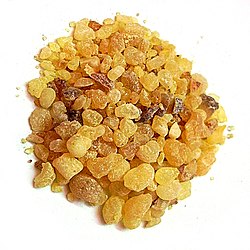
Frankincense, a resinous sap inside a special family of trees, was used for its pleasing aroma as burned incense, for everything from deodorant and toothpaste to food and drink flavoring, for burial rituals as an embalming material, and for medicine for a wide variety of afflictions including ulcers, hypertension, nausea, fever, indigestion, chest coughs and post-childbirth recovery.
Type : Antitype Frankincense provided an aroma of prayers of faith and devotion of service. "And thou shalt take fine flour, and bake twelve cakes thereof: two tenth deals shall be in one cake. And thou shalt set them in two rows, six on a row, upon the pure table before the Lord. And thou shalt put pure frankincense upon each row, that it may be on the bread for a memorial, even an offering made by fire unto the Lord." (Lev 24:5-7); "And thou shalt put oil upon it, and lay frankincense thereon: it is a meal offering. And the priest shall burn the memorial of it, part of the beaten corn thereof, and part of the oil thereof, with all the frankincense thereof: it is an offering made by fire unto the Lord." (Lev 2:15); "And he shall take of it his handful, of the flour of the meal offering, and of the oil thereof, and all the frankincense which is upon the meal offering, and shall burn it upon the altar for a sweet savour, even the memorial of it, unto the Lord." (Lev 6:15) —|— "And when he had taken the book, the four beasts and four and twenty elders fell down before the Lamb, having every one of them harps, and golden vials full of odours, which are the prayers of saints." (Rev 5:8); "And another angel came and stood at the altar, having a golden censer; and there was given unto him much incense, that he should offer it with the prayers of all saints upon the golden altar which was before the throne. And the smoke of the incense, which came with the prayers of the saints, ascended up before God out of the angel's hand." (Rev 8:3-4)
[Tabernacle & Temple service]
Type : Antitype "Moreover the Lord spake unto Moses, saying, Take thou also unto thee principal spices, of pure myrrh five hundred shekels, and of sweet cinnamon half so much, even two hundred and fifty shekels, and of sweet calamus two hundred and fifty shekels, And of cassia five hundred shekels, after the shekel of the sanctuary, and of oil olive an hin*: And thou shalt make it an oil of holy ointment, an ointment compound after the art of the apothecary: it shall be an holy anointing oil." Exo 30:22-25); "And thou shalt speak unto the children of Israel, saying, This shall be an holy anointing oil unto me throughout your generations. Upon man's flesh shall it not be poured, neither shall ye make any other like it, after the composition of it: it is holy, and it shall be holy unto you. Whosoever compoundeth any like it, or whosoever putteth any of it upon a stranger, shall even be cut off from his people." (Exo 30:31-33) [ * 1 hin ≅ 6.1 liters or 1.6 gallons (25.6 cups) See: Levitical Sacrifices and Psa 133:1-3]
Anointing the Tabernacle and equipment: This was done with a unique blend of spices and oil to be used specifically for the tabernacle and priests. "And thou shalt anoint the tabernacle of the congregation therewith, and the ark of the testimony, And the table and all his vessels, and the candlestick and his vessels, and the altar of incense, And the altar of burnt offering with all his vessels, and the laver and his foot. And thou shalt sanctify them, that they may be most holy: whatsoever toucheth them shall be holy." (Exo 30:26-29); "And thou shalt take the anointing oil, and anoint the tabernacle, and all that is therein, and shalt hallow it, and all the vessels thereof: and it shall be holy. And thou shalt anoint the altar of the burnt offering, and all his vessels, and sanctify the altar: and it shall be an altar most holy. And thou shalt anoint the laver and his foot, and sanctify it." (Exo 40:9-11)
Anointing the priests: "And thou shalt anoint Aaron and his sons, and consecrate them, that they may minister unto me in the priest's office. And thou shalt speak unto the children of Israel, saying, This shall be an holy anointing oil unto me throughout your generations. Upon man's flesh shall it not be poured, neither shall ye make any other like it, after the composition of it: it is holy, and it shall be holy unto you. Whosoever compoundeth any like it, or whosoever putteth any of it upon a stranger, shall even be cut off from his people." (Exo 30:30-33); "And thou shalt bring Aaron and his sons unto the door of the tabernacle of the congregation, and wash them with water. And thou shalt put upon Aaron the holy garments, and anoint him, and sanctify him; that he may minister unto me in the priest's office. And thou shalt bring his sons, and clothe them with coats: And thou shalt anoint them, as thou didst anoint their father, that they may minister unto me in the priest's office: for their anointing shall surely be an everlasting priesthood throughout their generations." (Exo 40:12-15); "Behold, how good and how pleasant it is for brethren to dwell together in unity! It is like the precious ointment upon the head, that ran down upon the beard, even Aaron's beard: that went down to the skirts of his garments; As the dew of Hermon, and as the dew that descended upon the mountains of Zion: for there the Lord commanded the blessing, even life for evermore." (Psa 133:1-3) [See: Priests]
(Exo 30:22-33); "And thou shalt make it an oil of holy ointment, an ointment compound after the art of the apothecary: it shall be an holy anointing oil." (Exo 30:25); "And thou shalt anoint the tabernacle of the congregation therewith, and the ark of the testimony, And the table and all his vessels, and the candlestick and his vessels, and the altar of incense, And the altar of burnt offering with all his vessels, and the laver and his foot. And thou shalt sanctify them, that they may be most holy: whatsoever toucheth them shall be holy. And thou shalt anoint Aaron and his sons, and consecrate them, that they may minister unto me in the priest's office. And thou shalt speak unto the children of Israel, saying, This shall be an holy anointing oil unto me throughout your generations. Upon man's flesh shall it not be poured, neither shall ye make any other like it, after the composition of it: it is holy, and it shall be holy unto you. Whosoever compoundeth any like it, or whosoever putteth any of it upon a stranger, shall even be cut off from his people." (Exo 30:26-33); "And thou shalt take the anointing oil, and anoint the tabernacle, and all that is therein, and shalt hallow it, and all the vessels thereof: and it shall be holy." (Exo 40:9); "Command the children of Israel, that they bring unto thee pure oil olive beaten for the light, to cause the lamps to burn continually." (Lev 24:2); "Thou lovest righteousness, and hatest wickedness: therefore God, thy God, hath anointed thee with the oil of gladness above thy fellows." (Psa 45:7); "Behold, how good and how pleasant it is for brethren to dwell together in unity! It is like the precious ointment upon the head, that ran down upon the beard, even Aaron's beard: that went down to the skirts of his garments; As the dew of Hermon, and as the dew that descended upon the mountains of Zion: for there the Lord commanded the blessing, even life for evermore." (Psa 133:1-3); "The Spirit of the Lord God is upon me; because the Lord hath anointed me to preach good tidings unto the meek; he hath sent me to bind up the brokenhearted, to proclaim liberty to the captives, and the opening of the prison to them that are bound." (Isa 61:1); "And it shall come to pass afterward, that I will pour out my spirit upon all flesh; and your sons and your daughters shall prophesy, your old men shall dream dreams, your young men shall see visions: And also upon the servants and upon the handmaids in those days will I pour out my spirit." (Joel 2:28-29) —|— "The Spirit of the Lord is upon me, because he hath anointed me to preach the gospel to the poor; he hath sent me to heal the brokenhearted, to preach deliverance to the captives, and recovering of sight to the blind, to set at liberty them that are bruised." (Luke 4:18); "My head with oil thou didst not anoint: but this woman hath anointed my feet with ointment." (Luke 7:46); "And it shall come to pass in the last days, saith God, I will pour out of my Spirit upon all flesh: and your sons and your daughters shall prophesy, and your young men shall see visions, and your old men shall dream dreams: And on my servants and on my handmaidens I will pour out in those days of my Spirit; and they shall prophesy" ((Acts 2:17-18); "For of a truth against thy holy child Jesus, whom thou hast anointed, both Herod, and Pontius Pilate, with the Gentiles, and the people of Israel, were gathered together' (Acts 4:27); "How God anointed Jesus of Nazareth with the Holy Ghost and with power: who went about doing good, and healing all that were oppressed of the devil; for God was with him." (Acts 10:38); "For ye have not received the spirit of bondage again to fear; but ye have received the Spirit of adoption, whereby we cry, Abba, Father. The Spirit itself beareth witness with our spirit, that we are the children of God" (Rom 8:15-16); "Now he which stablisheth us with you in Christ, and hath anointed us, is God' (2 Cor 1:21); "Thou hast loved righteousness, and hated iniquity; therefore God, even thy God, hath anointed thee with the oil of gladness above thy fellows." (Heb 1:9); "But if the Spirit of him that raised up Jesus from the dead dwell in you, he that raised up Christ from the dead shall also quicken your mortal bodies by his Spirit that dwelleth in you." (Rom 8:11); "Now he which stablisheth us with you in Christ, and hath anointed us, is God. Who hath also sealed us, and given the earnest of the Spirit in our hearts." (2 Cor 1:21-22); "But the anointing which ye have received of him abideth in you, and ye need not that any man teach you: but as the same anointing teacheth you of all things, and is truth, and is no lie, and even as it hath taught you, ye shall abide in him." (1 John 2:27); "And he that keepeth his commandments dwelleth in him, and he in him. And hereby we know that he abideth in us, by the Spirit which he hath given us." (1 John 3:24); "Is any sick among you? let him call for the elders of the church; and let them pray over him, anointing him with oil in the name of the Lord." (James 5:14) [See: 1Cor 11:3; Eph 4:15; 5:23; Col 1:18; 2:19]
The Meal (grain) offerings included unleavened bread with oil poured upon it. Baked in the oven or pan: "And if you bring an oblation of a meal offering baked in the oven, it shall be unleavened cakes of fine flour mingled with oil, or unleavened wafers anointed with oil. And if your oblation be a meal offering baked in a pan, it shall be of fine flour unleavened, mingled with oil. You shall part it in pieces, and pour oil thereon: it is a meal offering." (Lev 2:4-6) Baked in the frying pan: "And if your oblation be a meal offering baked in the frying pan, it shall be made of fine flour with oil. And you shall bring the meal offering that is made of these things unto the Lord: and when it is presented unto the priest, he shall bring it unto the altar. And the priest shall take from the meal offering a memorial thereof, and shall burn it upon the altar: it is an offering made by fire, of a sweet savor unto the Lord. And that which is left of the meal offering shall be Aaron's and his sons': it is a thing most holy of the offerings of the Lord made by fire." (Lev 2:7-10) [See: Anointed; Oil, Holy Anointing Oil] —|— The unleavened bread with oil poured upon it suggested that the oil of the holy spirit of God is upon Christ Jesus, and His church. For the church, the oil added to the offering pointed to the Spirit's work of sanctification in the heart of the believer who is counted "righteous" through the blood of Jesus. "Therefore being justified by faith, we have peace with God through our Lord Jesus Christ: By whom also we have access by faith into this grace wherein we stand, and rejoice in hope of the glory of God." (Rom 5:1-2); "And if Christ be in you, the body is dead because of sin; but the Spirit is life because of righteousness." (Rom 8:10); "And such were some of you: but ye are washed, but ye are sanctified, but ye are justified in the name of the Lord Jesus, and by the Spirit of our God." (1 Cor 6:11)
The wafer (a thin bread or cake) anointed with oil, when held up to the light, has a translucency and suggested the transformation of the new creature by the spirit into the image of Christ. "And be not conformed to this world: but be ye transformed by the renewing of your mind, that ye may prove what is that good, and acceptable, and perfect, will of God." (Rom 12:2); "That he would grant you, according to the riches of his glory, to be strengthened with might by his Spirit in the inner man; That Christ may dwell in your hearts by faith; that ye, being rooted and grounded in love, May be able to comprehend with all saints what is the breadth, and length, and depth, and height; And to know the love of Christ, which passeth knowledge, that ye might be filled with all the fulness of God." (Eph 3:16-19); "Whereby are given unto us exceeding great and precious promises: that by these ye might be partakers of the divine nature, having escaped the corruption that is in the world through lust." (2 Pet 1:4)
[Tabernacle & Temple component]

The gold lampstand had a main stem with three sets of branches coming out on each side making seven lamp stems. These had knops and flowers along each stem and ended with bowls in which to place the lamp oil and wick to burn for the continual light in the holy place. The lamp had necessary utensils: tongs, snuffdishes, and oil vessels. The oil was pure oil olive beaten out and twice each day it was refilled and the wicks were trimmed to cause the lamp to always burn. The trimming of the lamps was intimately tied to the gold altar and burning of incense morning and evening. (Exo 30:7-8; 2 Chr 13:11)
Type : Antitype 1a) complete light of truth: Exo 25:31-40; "And thou shalt make a candlestick of pure gold: of beaten work shall the candlestick be made: his shaft, and his branches, his bowls, his knops, and his flowers, shall be of the same." (Exo 25:31); "And thou shalt command the children of Israel, that they bring thee pure oil olive beaten for the light, to cause the lamp to burn always." (Exo 27:20); "Speak unto Aaron and say unto him, When thou lightest the lamps, the seven lamps shall give light over against [away or out from] the candlestick." (Num 8:2); "... and thou shalt bring in the candlestick, and light the lamps thereof. ... And he put the candlestick in the tent of the congregation, over against [opposite] the table, on the side of the tabernacle southward. And he lighted the lamps before the Lord; as the Lord commanded Moses." (Exo 40:4, 24-25); "And Aaron shall burn thereon sweet incense every morning: when he dresseth the lamps, he shall burn incense upon it. And when Aaron lighteth the lamps at even, he shall burn incense upon it, a perpetual incense before the Lord throughout your generations." (Exo 30:7-8); "And they shall take a cloth of blue, and cover the candlestick of the light, and his lamps, and his tongs, and his snuffdishes, and all the oil vessels thereof, wherewith they minister unto it." (Num 4:9); "Command the children of Israel, that they bring unto thee pure oil olive beaten for the light, to cause the lamps to burn continually. Without the vail of the testimony, in the tabernacle of the congregation, shall Aaron order it from the evening unto the morning before the Lord continually: it shall be a statute for ever in your generations. He shall order the lamps upon the pure candlestick before the Lord continually." (Lev 24:2-4); "And ere the lamp of God went out in the temple of the Lord, where the ark of God was, and Samuel was laid down to sleep; That the Lord called Samuel: and he answered, Here am I." (1 Sam 3:3-4); "And they burn unto the Lord every morning and every evening burnt sacrifices and sweet incense: the shewbread also set they in order upon the pure table; and the candlestick of gold with the lamps thereof, to burn every evening: for we keep the charge of the Lord our God; but ye have forsaken him." (2 Chr 13:11) —|— "Neither do men light a candle, and put it under a bushel, but on a candlestick; and it giveth light unto all that are in the house." (Matt 5:15); "No man, when he hath lighted a candle, covereth it with a vessel, or putteth it under a bed; but setteth it on a candlestick, that they which enter in may see the light." (Luke 8:16; 11:33); "Then spake Jesus again unto them, saying, I am the light of the world: he that followeth me shall not walk in darkness, but shall have the light of life." (John 8:12); "I am come a light into the world, that whosoever believeth on me should not abide in darkness." (John 12:46); "That was the true Light, which lighteth every man that cometh into the world." (John 1:9) [Lev 24:2-4; John 6:50-54; 1Cor 10:1-4]
"Thy word is a lamp unto my feet, and a light unto my path." (Psa 119:105); "The entrance of thy words giveth light; it giveth understanding unto the simple." (Psa 119:130); "To the law and to the testimony: if they speak not according to this word, it is because there is no light in them." (Isa 8:20) —|— "The light of the body is the eye: therefore when thine eye is single, thy whole body also is full of light; but when thine eye is evil, thy body also is full of darkness." (Luke 11:34); "For God, who commanded the light to shine out of darkness, hath shined in our hearts, to give the light of the knowledge of the glory of God in the face of Jesus Christ." (2 Cor 4:6); "For we walk by faith, not by sight." (2 Cor 5:7); "The eyes of your understanding being enlightened; that ye may know what is the hope of his calling, and what the riches of the glory of his inheritance in the saints." (Eph 1:18); "For ye were sometimes darkness, but now are ye light in the Lord: walk as children of light." (Eph 5:8); "But ye are a chosen generation, a royal priesthood, an holy nation, a peculiar people; that ye should shew forth the praises of him who hath called you out of darkness into his marvellous light." (1 Pet 2:9); "We have also a more sure word of prophecy; whereunto ye do well that ye take heed, as unto a light that shineth in a dark place, until the day dawn, and the day star arise in your hearts." (2 Pet 1:19) Because the lamps were to burn continually it also suggested the light of "the everlasting gospel." "And I saw another angel fly in the midst of heaven, having the everlasting gospel to preach unto them that dwell on the earth, and to every nation, and kindred, and tongue, and people." (Rev 14:6). "But if our gospel be hid, it is hid to them that are lost: In whom the god of this world hath blinded the minds of them which believe not, lest the light of the glorious gospel of Christ, who is the image of God, should shine unto them." (2 Cor 4:3-4)
1b) the union between Christ and believers: The central shaft or stem represents Christ, and the branches represent believers who become one and the same piece with the central shaft or stem. The lamp is made of one piece of gold. "And thou shalt make a candlestick of pure gold: of beaten work shall the candlestick be made: his shaft, and his branches, his bowls, his knops, and his flowers, shall be of the same." (Exo 25:31); "And he made the candlestick of pure gold: of beaten work made he the candlestick; his shaft, and his branch, his bowls, his knops, and his flowers, were of the same: ... Their knops and their branches were of the same: all of it was one beaten work of pure gold. ... And he made his seven lamps, and his snuffers, and his snuffdishes, of pure gold." (Exo 37:17-23); "Speak unto Aaron and say unto him, When thou lightest the lamps, the seven lamps shall give light over against (away or out from) the candlestick." (Num 8:2) —|— "Abide in me, and I in you. As the branch cannot bear fruit of itself, except it abide in the vine; no more can ye, except ye abide in me. I am the vine, ye are the branches: He that abideth in me, and I in him, the same bringeth forth much fruit: for without me ye can do nothing." (John 15:4-5); "And that repentance and remission of sins should be preached in his name among all nations, beginning at Jerusalem. And ye are witnesses of these things." (Luke 24:47-48); "And ye also shall bear witness, because ye have been with me from the beginning." (John 15:27); "And we are his witnesses of these things; and so is also the Holy Ghost, whom God hath given to them that obey him." (Acts 5:32) [See: Devotional Studies Of Old Testament Types]
2) seven golden lamps — the seven phases of the gospel age church: "And the angel that talked with me came again, and waked me, as a man that is wakened out of his sleep. And said unto me, What seest thou? And I said, I have looked, and behold a candlestick all of gold, with a bowl upon the top of it, and his seven lamps thereon, and seven pipes to the seven lamps, which are upon the top thereof." (Zech 4:1-2) —|— "Saying, I am Alpha and Omega, the first and the last: and, What thou seest, write in a book, and send it unto the seven churches which are in Asia; unto Ephesus, and unto Smyrna, and unto Pergamos, and unto Thyatira, and unto Sardis, and unto Philadelphia, and unto Laodicea. And I turned to see the voice that spake with me. And being turned, I saw seven golden candlesticks; And in the midst of the seven candlesticks one like unto the Son of man, clothed with a garment down to the foot, and girt about the paps with a golden girdle." (Rev 1:11-13); "The mystery of the seven stars which thou sawest in my right hand, and the seven golden candlesticks. The seven stars are the angels of the seven churches: and the seven candlesticks which thou sawest are the seven churches." (Rev 1:20); "Unto the angel of the church of Ephesus write: . . . He that hath an ear, let him hear what the Spirit saith unto the churches." (Rev 2:1 - 3:22) [See: Gold]
[Tabernacle & Temple service]
The oil for the lamp was from ripe olives bruised or beaten to make the oil seep out (called extra virgin). This is the lightest flavor oil, and then the remaining or stronger flavored olive oil is squeezed out under pressure. The lighter oil burns cleaner and stronger making more light from the seven lamps on the lampstand. This same premium oil would also be used to make the holy anointing oil when mixed with select spices. [See: Olive Oil in the Holy Anointing Oil: The Mount of Olives]
Type : Antitype "And thou shalt command the children of Israel, that they bring thee pure oil olive beaten for the light, to cause the lamp to burn always. In the tabernacle of the congregation without the vail, which is before the testimony, Aaron and his sons shall order it from evening to morning before the Lord: it shall be a statute for ever unto their generations on the behalf of the children of Israel." (Exo 27:20-21); "Command the children of Israel, that they bring unto thee pure oil olive beaten for the light, to cause the lamps to burn continually." (Lev 24:2); "And oil for the light, and spices for anointing oil, and for the sweet incense. ... The candlestick also for the light, and his furniture, and his lamps, with the oil for the light. ... And spice, and oil for the light, and for the anointing oil, and for the sweet incense." (Exo 35:8, 14, 28); "The pure candlestick, with the lamps thereof, even with the lamps to be set in order, and all the vessels thereof, and the oil for light." (Exo 39:37); "Command the children of Israel, that they bring unto thee pure oil olive beaten for the light, to cause the lamps to burn continually." (Lev 24:2); "And they shall take a cloth of blue, and cover the candlestick of the light, and his lamps, and his tongs, and his snuffdishes, and all the oil vessels thereof, wherewith they minister unto it." (Num 4:9); "And to the office of Eleazar the son of Aaron the priest pertaineth the oil for the light, and the sweet incense, and the daily meat offering, and the anointing oil, and the oversight of all the tabernacle, and of all that therein is, in the sanctuary, and in the vessels thereof." (Num 4:16); "For thou wilt light my candle: the Lord my God will enlighten my darkness." (Psa 18:28); "For with thee is the fountain of life: in thy light shall we see light." (Psa 36:9); "O send out thy light and thy truth: let them lead me; let them bring me unto thy holy hill, and to thy tabernacles." (Psa 43:3) —|— The burning lamp oil portrays the light of God's truth, especially as revealed by the Holy Spirit. "They that were foolish took their lamps, and took no oil with them: But the wise took oil in their vessels with their lamps. ... And the foolish said unto the wise, Give us of your oil; for our lamps are gone out. But the wise answered, saying, Not so; lest there be not enough for us and you: but go ye rather to them that sell, and buy for yourselves." (Matt 25:3-4, 8-9); "But he that doeth truth cometh to the light, that his deeds may be made manifest, that they are wrought in God." (John 3:21); "Then spake Jesus again unto them, saying, I am the light of the world: he that followeth me shall not walk in darkness, but shall have the light of life." (John 8:12); "As long as I am in the world, I am the light of the world." (John 9:5) "But God hath revealed them unto us by his Spirit: for the Spirit searcheth all things, yea, the deep things of God." (1 Cor 2:10); "Which in other ages was not made known unto the sons of men, as it is now revealed unto his holy apostles and prophets by the Spirit." (Eph 3:5); "Searching what, or what manner of time the Spirit of Christ which was in them did signify, when it testified beforehand the sufferings of Christ, and the glory that should follow." (1 Pet 1:11); "And every spirit that confesseth not that Jesus Christ is come in the flesh is not of God: and this is that spirit of antichrist, whereof ye have heard that it should come; and even now already is it in the world." (1 John 4:3); "And out of the throne proceeded lightnings and thunderings and voices: and there were seven lamps of fire burning before the throne, which are the seven Spirits of God." (Rev 4:5); "And the city had no need of the sun, neither of the moon, to shine in it: for the glory of God did lighten it, and the Lamb is the light thereof." (Rev 21:23); "And there shall be no night there; and they need no candle, neither light of the sun; for the Lord God giveth them light: and they shall reign for ever and ever." (Rev 22:5)
[Tabernacle & Temple component]

It was set inside the tent, between the inner and the outer veils, the candlestick was placed toward the south opposite to the table on the north side of the "the holy place," the first room past or inside the first veil. The gold altar of incense was placed (in the center) before the inner veil And Aaron (and successive high priests) shall burn sweet incense upon it every morning: when he dresses the lamps, and when Aaron lights the lamps at even, he shall burn incense upon it, a perpetual incense before the Lord throughout your generations. The gold altar was intimately tied to the trimming and burning of the lamps on the lampstand. "Ye shall offer no strange incense thereon, nor burnt sacrifice, nor meat offering; neither shall ye pour drink offering thereon." (Exo 30:7-9; 2 Chr 13:11) The gold table held the gold bowls of incense for twice daily use. (Exo 37:16; Num 4:7)
The golden altar: the altar of incense, to burn incense upon, of shittim wood, foursquare, a cubit long and a cubit wide; and two cubits shall be the height; made with horns. And overlay it with pure gold, the top, the sides round about, and the horns at its corners; and make a crown of gold round about. Make two golden rings under the crown by the corners for the staves of shittim wood overlaid with gold to carry it.
"And thou shalt make an altar to burn incense upon: of shittim wood shalt thou make it. A cubit shall be the length thereof, and a cubit the breadth thereof; foursquare shall it be: and two cubits shall be the height thereof: the horns thereof shall be of the same. And thou shalt overlay it with pure gold, the top thereof, and the sides thereof round about, and the horns thereof; and thou shalt make unto it a crown of gold round about. And two golden rings shalt thou make to it under the crown of it, by the two corners thereof, upon the two sides of it shalt thou make it; and they shall be for places for the staves to bear it withal. And thou shalt make the staves of shittim wood, and overlay them with gold. And thou shalt put it before the vail that is by the ark of the testimony, before the mercy seat that is over the testimony, where I will meet with thee. And Aaron shall burn thereon sweet incense every morning: when he dresseth the lamps, he shall burn incense upon it. And when Aaron lighteth the lamps at even, he shall burn incense upon it, a perpetual incense before the Lord throughout your generations. Ye shall offer no strange incense thereon, nor burnt sacrifice, nor meat offering; neither shall ye pour drink offering thereon. And Aaron shall make an atonement upon the horns of it once in a year with the blood of the sin offering of atonements: once in the year shall he make atonement upon it throughout your generations: it is most holy unto the Lord." (Exo 30:1-10); "And thou shalt set the altar of gold for the incense before the ark of the testimony, and put the hanging of the door to the tabernacle. ... And he put the golden altar in the tent of the congregation before the vail: And he burnt sweet incense thereon; as the Lord commanded Moses." (Exo 40:5, 26-27); "Hath not the same Hezekiah taken away his high places and his altars, and commanded Judah and Jerusalem, saying, Ye shall worship before one altar, and burn incense upon it?" (2 Chr 32:12) —|— Christ Jesus is our altar for the prayers of saints for: adoration, praise, psalms, hymns, rejoicing, petition, supplication, comfort, consolation, thanksgiving, et cetera. "And whatsoever ye shall ask in my name, that will I do, that the Father may be glorified in the Son. If ye shall ask any thing in my name, I will do it." (John 14:13-14); "Ye have not chosen me, but I have chosen you, and ordained you, that ye should go and bring forth fruit, and that your fruit should remain: that whatsoever ye shall ask of the Father in my name, he may give it you." (John 15:16); "And in that day ye shall ask me nothing. Verily, verily, I say unto you, Whatsoever ye shall ask the Father in my name, he will give it you. Hitherto have ye asked nothing in my name: ask, and ye shall receive, that your joy may be full." (John 16:23-24); "Unto the church of God which is at Corinth, to them that are sanctified in Christ Jesus, called to be saints, with all that in every place call upon the name of Jesus Christ our Lord, both their's and our's." (1 Cor 1:2); "Praying always with all prayer and supplication in the Spirit, and watching thereunto with all perseverance and supplication for all saints." (Eph 6:18); "And another angel came and stood at the altar, having a golden censer; and there was given unto him much incense, that he should offer it with the prayers of all saints upon the golden altar which was before the throne." (Rev 8:3); "By him therefore let us offer the sacrifice of praise to God continually, that is, the fruit of our lips giving thanks to his name." (Heb 13:15); "And another angel came and stood at the altar, having a golden censer; and there was given unto him much incense, that he should offer it with the prayers of all saints upon the golden altar which was before the throne," suggested that the censer used upon the altar of gold was made of gold." (Rev 8:3) [See: Gold]
[Tabernacle & Temple component]
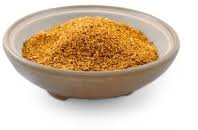
Type : Antitype The burning incense conveys a sense of devotion, of delight, and of profound appreciation toward God. When Israel offered their sacrifices in devotion God accepted them as a "sweet savour." (Gen 8:21; Num 15:14, 24; 18:17; Num 28:2, 6, 8, 13, 24, 27; 29:2, 6, 8, 13, 36) The four spices are: stacte (faith), onycha (love), galbanum (obedience), and frankincense (praise) from Exodus 30:34. "Let my prayer be set forth before thee as incense; and the lifting up of my hands as the evening sacrifice." (Psa 141:2) The highest aroma of delight is shown by Christ Jesus in his devotion to do the will of God. "I delight to do thy will, O my God: yea, thy law is within my heart." (Psa 40:8) —|— The same is true for the the disciples of Christ Jesus: "for we are unto God a sweet savour of Christ, in them that are saved" (2 Cor 2:15) and "and walk in love, as Christ also hath loved us, and hath given himself for us an offering and a sacrifice to God for a sweetsmelling savour" (Eph 5:2). It is in becoming like Christ Jesus that we also may offer a sweet aroma well pleasing unto God. "And another angel came and stood at the altar, having a golden censer; and there was given unto him much incense, that he should offer it with the prayers of all saints upon the golden altar which was before the throne. And the smoke of the incense, which came with the prayers of the saints, ascended up before God out of the angel's hand." (Rev 8:3-4)
The merits of Christ Jesus: "But his delight is in the law of the Lord; and in his law doth he meditate day and night." (Psa 1:2); "Sacrifice and offering thou didst not desire; mine ears hast thou opened: burnt offering and sin offering hast thou not required. Then said I, Lo, I come: in the volume of the book it is written of me, I delight to do thy will, O my God: yea, thy law is within my heart." (Psa 40:6-8) —|— "And lo a voice from heaven, saying, This is my beloved Son, in whom I am well pleased." (Matt 3:17); "And the Holy Ghost descended in a bodily shape like a dove upon him, and a voice came from heaven, which said, Thou art my beloved Son; in thee I am well pleased." (Luke 3:22); "While he yet spake, behold, a bright cloud overshadowed them: and behold a voice out of the cloud, which said, This is my beloved Son, in whom I am well pleased; hear ye him." (Matt 17:5); "He went away again the second time, and prayed, saying, O my Father, if this cup may not pass away from me, except I drink it, thy will be done." (Matt 26:42); "In burnt offerings and sacrifices for sin thou hast had no pleasure. Then said I, Lo, I come (in the volume of the book it is written of me,) to do thy will, O God. Above when he said, Sacrifice and offering and burnt offerings and offering for sin thou wouldest not, neither hadst pleasure therein; which are offered by the law; Then said he, Lo, I come to do thy will, O God. He taketh away the first, that he may establish the second." (Heb 10:6-9); Note the phrases in Paul's words: "And walk in love, as Christ also hath loved us, and hath given himself for us an offering and a sacrifice to God for a sweetsmelling savour." (Eph 5:2) and "But I have all, and abound: I am full, having received of Epaphroditus the things which were sent from you, an odour of a sweet smell, a sacrifice acceptable, wellpleasing to God." (Php 4:18)
Jesus has been raised as proof of his acceptance by God: "And [you] killed the Prince of life, whom God hath raised from the dead; whereof we are witnesses." (Acts 3:15); "Be it known unto you all, and to all the people of Israel, that by the name of Jesus Christ of Nazareth, whom ye crucified, whom God raised from the dead, even by him doth this man stand here before you whole." (Acts 4:10); "Because he hath appointed a day, in the which he will judge the world in righteousness by that man whom he hath ordained; whereof he hath given assurance unto all men, in that he hath raised him from the dead." (Acts 17:31) Therefore we are certain of Jesus words: "And whatsoever ye shall ask in my name, that will I do, that the Father may be glorified in the Son. If ye shall ask any thing in my name, I will do it." (John 14:13-14): "And in that day ye shall ask me nothing. Verily, verily, I say unto you, Whatsoever ye shall ask the Father in my name, he will give it you. Hitherto have ye asked nothing in my name: ask, and ye shall receive, that your joy may be full. ... At that day ye shall ask in my name: and I say not unto you, that I will pray the Father for you: For the Father himself loveth you, because ye have loved me, and have believed that I came out from God." (John 16:23-24, 26-27) [See: XII. Resurrection of Jesus Christ; The Resurrection of Jesus Christ]
Prayers of the saints in faith of the former: "And thou shalt make an altar to burn incense upon: of shittim wood shalt thou make it ... And Aaron shall burn thereon sweet incense every morning: when he dresseth the lamps, he shall burn incense upon it. And when Aaron lighteth the lamps at even, he shall burn incense upon it, a perpetual incense, before the Lord throughout your generations." (Exo 30:1, 7, 8); "And he shall take of it his handful, of the flour of the meat offering, and of the oil thereof, and all the frankincense which is upon the meat offering, and shall burn it upon the altar for a sweet savour, even the memorial of it, unto the Lord." (Lev 6:15); "Let my prayer be set forth before thee as incense; and the lifting up of my hands as the evening sacrifice." (Psa 141:2) —|— "And the whole multitude of the people were praying without at the time of incense." (Luke 1:10); "And when he had taken the book, the four beasts and four and twenty elders fell down before the Lamb, having every one of them harps, and golden vials full of odours, which are the prayers of saints." (Rev 5:8); "And another angel came and stood at the altar, having a golden censer; and there was given unto him much incense, that he should offer it with the prayers of all saints upon the golden altar which was before the throne. And the smoke of the incense, which came with the prayers of the saints, ascended up before God out of the angel's hand." (Rev 8:3-4)
[Tabernacle & Temple component]

This veil was the door into the "tabernacle of the tent of the congregation." This was the first chamber or room and is often called "the holy place." The priests passed through this veil for the twice daily service of the lampstand and incense altar. The priest's duties included trimming of the lamps and burning of incense each morning and evening, along with other sacrificial duties. For the first room make an outer hanging vail, "an hanging for the tabernacle door," (often called the first vail, Exo 26:33; Lev 4:6, 17; 16:12; 21:23; 24:3) for the door of the tent of blue, purple and scarlet of fine twined linen, decorated with needlework. Hang it upon the five pillars of shittim wood overlaid with gold: their hooks shall be of gold, with these posts set upon the five sockets of brass. (Exo 26:37; 36:38; 40:18-19) [See: Linen; Gate of court; Silver fillets & hooks; Blue; Purple; Scarlet; Inner Veil]
Type : Antitype "And thou shalt make an hanging for the door of the tent, of blue, and purple, and scarlet, and fine twined linen, wrought with needlework. And thou shalt make for the hanging five pillars of shittim wood, and overlay them with gold, and their hooks shall be of gold: and thou shalt cast five sockets of brass for them." (Exo 26:36-37) —|— The pillars overlaid with gold suggest his heavenly origin and divinity. These five pillars of shittim wood are set upon five sockets of brass (five human senses) which point to Christ's perfect and sinless humanity. This implies that the meaning of the curtain, held from above by gold hooks was established in heaven. The blue is a symbol of Christ's deity and faithfulness; the purple, His royalty of the line of David; the scarlet, His sacrificial death; the white linen, His sinlessness. These together point to Christ's intimate communion with God. "And lo a voice from heaven, saying, This is my beloved Son, in whom I am well pleased." (Matt 3:17); "And there came a voice from heaven, saying, Thou art my beloved Son, in whom I am well pleased." (Mark 1:11); "And the Holy Ghost descended in a bodily shape like a dove upon him, and a voice came from heaven, which said, Thou art my beloved Son; in thee I am well pleased." (Luke 3:22); "That it might be fulfilled which was spoken by Esaias the prophet, saying, Behold my servant, whom I have chosen; my beloved, in whom my soul is well pleased: I will put my spirit upon him, and he shall shew judgment to the Gentiles. He shall not strive, nor cry; neither shall any man hear his voice in the streets." (Matt 12:17-19); "While he yet spake, behold, a bright cloud overshadowed them: and behold a voice out of the cloud, which said, This is my beloved Son, in whom I am well pleased; hear ye him." (Matt 17:5); "And there was a cloud that overshadowed them: and a voice came out of the cloud, saying, This is my beloved Son: hear him." (Mark 9:7); "And there came a voice out of the cloud, saying, This is my beloved Son: hear him." (Luke 9:35); "Now when the centurion saw what was done, he glorified God, saying, Certainly this was a righteous man." (Luke 23:47); "For he received from God the Father honour and glory, when there came such a voice to him from the excellent glory, This is my beloved Son, in whom I am well pleased." (2 Pet 1:17) The outer veil of the tabernacle (and likewise the doors of the temple) pointed to the perfections of the humanity of Christ Jesus. "And he that sent me is with me: the Father hath not left me alone; for I do always those things that please him ... Which of you convinceth me of sin? And if I say the truth, why do ye not believe me?" (John 8:29, 46); "When he was set down on the judgment seat, his wife sent unto him, saying, Have thou nothing to do with that just man: for I have suffered many things this day in a dream because of him." (Matt 27:19); "Which of the prophets have not your fathers persecuted? and they have slain them which shewed before of the coming of the Just One; of whom ye have been now the betrayers and murderers" (Acts 7:52); "For he hath made him to be sin for us, who knew no sin; that we might be made the righteousness of God in him." (2 Cor 5:21); "For we have not an high priest which cannot be touched with the feeling of our infirmities; but was in all points tempted like as we are, yet without sin." (Heb 4:15); "For such an high priest became us, who is holy, harmless, undefiled, separate from sinners, and made higher than the heavens." (Heb 7:26); "But with the precious blood of Christ, as of a lamb without blemish and without spot." (1 Pet. 1:19); "Who did no sin, neither was guile found in his mouth." (1 Pet 2:22); "And ye know that he was manifested to take away our sins; and in him is no sin." (1 John 3:5) [See: The Lord Jesus Prays; and Matt 16:24; Mark 8:34; Luke 9:23; 2 Cor 8:12; Eph 6:6-7; Php 2:13; 2 Tim 2:11*; Heb 10:7-10; 1 Pet 2:5]
"Howbeit that was not first which is spiritual, but that which is natural; and afterward that which is spiritual." (1 Cor 15:46); Going under the vail to enter the "holy place" previewed putting to death the fleshly or carnal mind. Being inside suggested enlightened by the lamplight of the Holy Spirit so that the spiritual things therein are clearly seen and understood. "Wherefore, holy brethren, partakers of the heavenly calling, consider the Apostle and High Priest of our profession, Christ Jesus." (Heb 3:1); "Which things also we speak, not in the words which man's wisdom teacheth, but which the Holy Ghost teacheth; comparing spiritual things with spiritual. But the natural man receiveth not the things of the Spirit of God: for they are foolishness unto him: neither can he know them, because they are spiritually discerned. But he that is spiritual judgeth all things, yet he himself is judged of no man." (1 Cor 2:13-15); "Blessed be the God and Father of our Lord Jesus Christ, who hath blessed us with all spiritual blessings in heavenly places in Christ." (Eph 1:3); "And you hath he quickened, who were dead in trespasses and sins; ... And hath raised us up together, and made us sit together in heavenly places in Christ Jesus." (Eph 2:1, 6); "And have put on the new man, which is renewed in knowledge after the image of him that created him. ... Let the word of Christ dwell in you richly in all wisdom; teaching and admonishing one another in psalms and hymns and spiritual songs, singing with grace in your hearts to the Lord." (Col 3:10, 16); "And be not conformed to this world: but be ye transformed by the renewing of your mind, that ye may prove what is that good, and acceptable, and perfect, will of God." (Rom 12:2); "And that ye put on the new man, which after God is created in righteousness and true holiness." (Eph 4:24); "That I may know him, and the power of his resurrection, and the fellowship of his sufferings, being made conformable unto his death." (Php 3:10)
[Tabernacle & Temple component]
For the second (or inner) room make an inner hanging vail [alt, veil], "the vail of the sanctuary," (often called the second vail, Exo 26:31-33; 36:35-36; 40:3, 21-22, 26; Lev 16:2, 15; 24:3; Num 4:5) of blue, purple, scarlet of fine twined linen of skilled work made with cherubims for the pattern. Hang it upon four pillars of shittim wood overlaid with gold: their hooks shall be of gold, with these posts set upon the four sockets of silver.
Type : Antitype The two pieces set in "the most holy place" behind the inner vail are "the ark of the testimony" with its staves and the mercy seat set upon the ark of the testimony. These are behind the second vail of blue, purple and scarlet decorated with cherubims in the most holy. The ark contained the pot of manna and the stone tablets. And on the ground before the ark laid Aaron's rod that budded and his gold censer. [See: Ark of the Covenant] "And Moses laid up the rods before the Lord in the tabernacle of witness. And it came to pass, that on the morrow Moses went into the tabernacle of witness; and, behold, the rod of Aaron for the house of Levi was budded, and brought forth buds, and bloomed blossoms, and yielded almonds. And Moses brought out all the rods from before the Lord unto all the children of Israel: and they looked, and took every man his rod. And the Lord said unto Moses, Bring Aaron's rod again before the testimony, to be kept for a token against the rebels; and thou shalt quite take away their murmurings from me, that they die not." (Num 17:7-10); "And Moses said unto Aaron, Take a pot, and put an omer full of manna therein, and lay it up before the Lord, to be kept for your generations." (Exo 16:33); The censer of Aaron, "And Moses said unto Aaron, Take a censer, and put fire therein from off the altar, and put on incense, and go quickly unto the congregation, and make an atonement for them: for there is wrath gone out from the Lord; the plague is begun." (Num 16:46); "And after the second veil, the tabernacle which is called the Holiest of all; Which had the golden censer, and the ark of the covenant overlaid round about with gold, wherein was the golden pot that had manna, and Aaron's rod that budded, and the tables of the covenant; And over it the cherubims of glory shadowing the mercyseat; of which we cannot now speak particularly." (Heb 9:3-5)
The most holy — God's heavenly dwelling place: Each piece in the most holy was made of gold. The "most holy" of the tabernacle with the "shekinah glory" is where God dwelled in symbol. "And let them make me a sanctuary; that I may dwell among them." (Exo 25:8); "And they shall know that I am the Lord their God, that brought them forth out of the land of Egypt, that I may dwell among them: I am the Lord their God." (Exo 29:46); "And thou shalt hang up the vail under the taches, that thou mayest bring in thither within the vail the ark of the testimony: and the vail shall divide unto you between the holy place and the most holy. And thou shalt put the mercy seat upon the ark of the testimony in the most holy place." (Exo 26:22-24); "And he took and put the testimony into the ark, and set the staves on the ark, and put the mercy seat above upon the ark: And he brought the ark into the tabernacle, and set up the vail of the covering, and covered the ark of the testimony; as the Lord commanded Moses." (Exo 40:20-21); "This shall be a continual burnt offering throughout your generations at the door of the tabernacle of the congregation before the Lord: where I will meet you, to speak there unto thee." (Exo 29:42) —|— "Which hope we have as an anchor of the soul, both sure and stedfast, and which entereth into that within the veil whither the forerunner is for us entered, even Jesus, made an high priest for ever after the order of Melchisedec." (Heb 6:19-20); "The Holy Ghost this signifying, that the way into the holiest of all was not yet made manifest, while as the first tabernacle was yet standing. ... It was therefore necessary that the patterns of things in the heavens should be purified with these; but the heavenly things themselves with better sacrifices than these. For Christ is not entered into the holy places made with hands, which are the figures of the true; but into heaven itself, now to appear in the presence of God for us." (Heb 9:8, 23-24) [See: Gold; Tabernacle]
[Tabernacle component]
unknown
Type : Antitype "And thou shalt make forty sockets of silver under the twenty boards; two sockets under one board for his two tenons, and two sockets under another board for his two tenons. And for the second side of the tabernacle on the north side there shall be twenty boards: And their forty sockets of silver; two sockets under one board, and two sockets under another board. And for the sides of the tabernacle westward thou shalt make six boards. And two boards shalt thou make for the corners of the tabernacle in the two sides. And they shall be coupled together beneath, and they shall be coupled together above the head of it unto one ring: thus shall it be for them both; they shall be for the two corners. And they shall be eight boards, and their sockets of silver, sixteen sockets; two sockets under one board, and two sockets under another board." (Exo 26:19-25); "And thou shalt make a vail of blue, and purple, and scarlet, and fine twined linen of cunning work: with cherubims shall it be made: And thou shalt hang it upon four pillars of shittim wood overlaid with gold: their hooks shall be of gold, upon the four sockets of silver." (Exo 26:31-32); "And he made a vail of blue, and purple, and scarlet, and fine twined linen: with cherubims made he it of cunning work. And he made thereunto four pillars of shittim wood, and overlaid them with gold: their hooks were of gold; and he cast for them four sockets of silver." (Exo 36:35-36); "And of the hundred talents of silver were cast the sockets of the sanctuary, and the sockets of the vail; an hundred sockets of the hundred talents, a talent for a socket." (Exo 38:27)
Since silver represents truth, the silver sockets upon which the wood posts were placed presents the truth that undergirds all things, that there is no greater truth than that God is both holy and sovereign. The most high God is God alone, there is none like Him. He is righteous in all He does, and nothing is done without Him or His permission. The one hundred sockets [10 x 10] on which the boards were set, where the number ten pointed toward ultimate justification (as in completion, wholeness, or perfection), suggested we can have absolute confidence in the redemption, justification, and reconciliation of Christ Jesus' work of atonement and have peace with God. "Therefore being justified by faith, we have peace with God through our Lord Jesus Christ: By whom also we have access by faith into this grace wherein we stand, and rejoice in hope of the glory of God." (Rom 5:1-2); "To wit, that God was in Christ, reconciling the world unto himself, not imputing their trespasses unto them; and hath committed unto us the word of reconciliation. Now then we are ambassadors for Christ, as though God did beseech you by us: we pray you in Christ's stead, be ye reconciled to God." (2 Cor 5:18-19); "Speak unto all the congregation of the children of Israel, and say unto them, Ye shall be holy: for I the Lord your God am holy." (Lev 19:2); "There is none holy as the Lord: for there is none beside thee: neither is there any rock like our God." (1 Sam 2:2); "Exalt ye the Lord our God, and worship at his footstool; for he is holy." (Psa 99:5, 9); "But the Lord of hosts shall be exalted in judgment, and God that is holy shall be sanctified in righteousness." (Isa 5:16); "And said, O Lord God of our fathers, art not thou God in heaven? and rulest not thou over all the kingdoms of the heathen? and in thine hand is there not power and might, so that none is able to withstand thee?" (2 Chr 20:6); "This matter is by the decree of the watchers, and the demand by the word of the holy ones: to the intent that the living may know that the most High ruleth in the kingdom of men, and giveth it to whomsoever he will, and setteth up over it the basest of men." (Dan 4:17); "And he was driven from the sons of men; and his heart was made like the beasts, and his dwelling was with the wild asses: they fed him with grass like oxen, and his body was wet with the dew of heaven; till he knew that the most high God ruled in the kingdom of men, and that he appointeth over it whomsoever he will." (Dan 5:21) [See: GOD]
"Sanctify yourselves therefore, and be ye holy: for I am the Lord your God." (Lev 20:7); "Thou shalt have none other gods before me." (Deut 5:7); "See now that I, even I, am he, and there is no god with me: I kill, and I make alive; I wound, and I heal: neither is there any that can deliver out of my hand." (Deut 32:39); "Be still, and know that I am God: I will be exalted among the heathen, I will be exalted in the earth." (Psa 46:10); "That men may know that thou, whose name alone is Jehovah, art the most high over all the earth." (Psa 83:18); "For thou art great, and doest wondrous things: thou art God alone." (Psa 86:10); "And Hezekiah prayed before the Lord, and said, O Lord God of Israel, which dwellest between the cherubims, thou art the God, even thou alone, of all the kingdoms of the earth; thou hast made heaven and earth." (2 Kings 19:15); "O Lord of hosts, God of Israel, that dwellest between the cherubims, thou art the God, even thou alone, of all the kingdoms of the earth: thou hast made heaven and earth." (Isa 37:16); "I am the Lord, and there is none else, there is no God beside me: I girded thee, though thou hast not known me. ... For thus saith the Lord that created the heavens; God himself that formed the earth and made it; he hath established it, he created it not in vain, he formed it to be inhabited: I am the Lord; and there is none else. ... Look unto me, and be ye saved, all the ends of the earth: for I am God, and there is none else." (Isa 45:5, 18, 22); "Remember the former things of old: for I am God, and there is none else; I am God, and there is none like me, Declaring the end from the beginning, and from ancient times the things that are not yet done, saying, My counsel shall stand, and I will do all my pleasure." (Isa 46:9-10); "Behold, I am the Lord, the God of all flesh: is there any thing too hard for me?" (Jer 32:27); "Thou, even thou, art Lord alone; thou hast made heaven, the heaven of heavens, with all their host, the earth, and all things that are therein, the seas, and all that is therein, and thou preservest them all; and the host of heaven worshippeth thee." (Neh 9:6); (Isa 44:23-28; etc.) —|— "For the invisible things of him from the creation of the world are clearly seen, being understood by the things that are made, even his eternal power and Godhead; so that they are without excuse." (Rom 1:20); "But now is made manifest, and by the scriptures of the prophets, according to the commandment of the everlasting God, made known to all nations for the obedience of faith" (Rom 16:26); "Now unto the King eternal, immortal, invisible, the only wise God, be honour and glory for ever and ever. Amen." (1 Tim 1:17)
Ark of the Covenant
[Tabernacle & Temple component]

"The ark of the testimony" is very special. It portrays the presence of God where He dwells with His people. It is a place of judgment since it held the tables of the law and the blood of the sin offerings were sprinkled upon and before it. This ark held the standard to which Israel was held accountable according to their solemn promise pledged upon themselves and their children. "And Moses came and called for the elders of the people, and laid before their faces all these words which the Lord commanded him. And all the people answered together, and said, All that the Lord hath spoken we will do. And Moses returned the words of the people unto the Lord." (Exo 19:7-8) On its top was placed the Ark / Atonement cover, often called the "mercy seat," which held the two cherubim and from which the "shekinah" glory and God's voice eminated. [See: Ark / Atonement cover]
Type : Antitype "And I made an ark of shittim wood, and hewed two tables of stone like unto the first, and went up into the mount, having the two tables in mine hand. And he wrote on the tables, according to the first writing, the ten commandments, which the Lord spake unto you in the mount out of the midst of the fire in the day of the assembly: and the Lord gave them unto me. And I turned myself and came down from the mount, and put the tables in the ark which I had made; and there they be, as the Lord commanded me." (Deut 10:3-5); The ark of the covenant is where "mercy and truth are met together; righteousness and peace have kissed each other." (Psa 85:10); Justice and judgment are the habitation of thy throne: mercy and truth shall go before thy face." (Psa 89:14) —|— "And the temple of God was opened in heaven, and there was seen in his temple the ark of his testament: and there were lightnings, and voices, and thunderings, and an earthquake, and great hail." (Rev 11:19)
The ark was located in "the most holy place," often named the Holy of Holies. The ark is called: "ark of God" (1 Sam 3:3), "ark of the covenant" (Josh 3:6; Heb 9:4), "ark of testimony" (Exo 25:22), and the "ark" in connection with "glory" (1 Sam 4:21, 22). "According to all that I shew thee, after the pattern of the tabernacle, and the pattern of all the instruments thereof, even so shall ye make it. And they shall make an ark of shittim wood: two cubits and a half shall be the length thereof, and a cubit and a half the breadth thereof, and a cubit and a half the height thereof. And thou shalt overlay it with pure gold, within and without shalt thou overlay it, and shalt make upon it a crown of gold round about." (Exo 25:9-11); "And thou shalt put the mercy seat upon the ark of the testimony in the most holy place." (Exo 26:34) The ark represented the presence, nature, and purpose of the Lord which inhere in Christ. The three items stored in the Ark of the Covenant were A. the ten commandments on two tablets of stone, which were the testimony or evidence of God's covenant with the people (Exo 25:16; Deut 31:26), B. the pot of "manna" (Exo 16:33), and C. Aaron's rod that budded (Num 17:10; Heb 9:4).
A. The church bears the letters of Christ: "I delight to do thy will, O my God: yea, thy law is within my heart." Psa (40:8); "Two tablets of stone" are written by the Spirit of the living God on believers human hearts. "I beseech you therefore, brethren, by the mercies of God, that ye present your bodies a living sacrifice, holy, acceptable unto God, which is your reasonable service. And be not conformed to this world: but be ye transformed by the renewing of your mind, that ye may prove what is that good, and acceptable, and perfect, will of God." (Rom 12:1-2); "Forasmuch as ye are manifestly declared to be the epistle of Christ ministered by us, written not with ink, but with the Spirit of the living God; not in tables of stone, but in fleshy tables of the heart." (2 Cor 3:3)
B. The manna (bread): "The pot of manna" portrays the heavenly provision of spiritual truths in our Christian life. "Then Jesus said unto them, Verily, verily, I say unto you, Except ye eat the flesh of the Son of man, and drink his blood, ye have no life in you. Whoso eateth my flesh, and drinketh my blood, hath eternal life; and I will raise him up at the last day. For my flesh is meat indeed, and my blood is drink indeed. He that eateth my flesh, and drinketh my blood, dwelleth in me, and I in him." (John 6:53-56) Christ is everything we need for life. [See: Whosoever Eats My Flesh] "But of him are ye in Christ Jesus, who of God is made unto us wisdom, and righteousness, and sanctification, and redemption: That, according as it is written, He that glorieth, let him glory in the Lord." (1 Cor 1:30-31); "In whom ye also trusted, after that ye heard the word of truth, the gospel of your salvation: in whom also after that ye believed, ye were sealed with that holy Spirit of promise" (Eph 1:13); "For the hope which is laid up for you in heaven, whereof ye heard before in the word of the truth of the gospel." (Col 1:5); "For this cause also thank we God without ceasing, because, when ye received the word of God which ye heard of us, ye received it not as the word of men, but as it is in truth, the word of God, which effectually worketh also in you that believe." (1 Thes 2:13); "Of his own will begat he us with the word of truth, that we should be a kind of firstfruits of his creatures." (James 1:18)
C. Aaron's rod: "The budded rod" pointed to the "new creation" with a new life available through the power of His resurrection. "Know ye not, that so many of us as were baptized into Jesus Christ were baptized into his death? Therefore we are buried with him by baptism into death: that like as Christ was raised up from the dead by the glory of the Father, even so we also should walk in newness of life." (Rom 6:3-4); "Buried with him in baptism, wherein also ye are risen with him through the faith of the operation of God, who hath raised him from the dead. And you, being dead in your sins and the uncircumcision of your flesh, hath he quickened together with him, having forgiven you all trespasses." (Col 2:12-13); "Therefore if any man be in Christ, he is a new creature: old things are passed away; behold, all things are become new." (2 Cor 5:17); "That I may know him, and the power of his resurrection, and the fellowship of his sufferings, being made conformable unto his death; If by any means I might attain unto the resurrection of the dead." (Php 3:10-11)
These three items: 1) the two tables — the metamorphosis of heart (Rom 12:1-3), 2) the manna — the provision of spiritual food (Deut 8:3; John 5:39; Acts 17:11), and 3) Aaron's fruitful rod — the power of Christ's resurrection bring the "salvation of the soul" (Rom 4:5; Heb 11:6; 1 Pet 1:9, 21) to receive an inheritance reserved for us in heaven (1 Pet 1:5).
[Tabernacle & Temple component]
Type : Antitype 1a) "And he gave unto Moses, when he had made an end of communing with him upon mount Sinai, two tables of testimony, tables of stone, written with the finger of God." (Exo 31:18); "And the tables were the work of God, and the writing was the writing of God, graven upon the tables." (Exo 32:16); "And the Lord delivered unto me two tables of stone written with the finger of God; and on them was written according to all the words, which the Lord spake with you in the mount out of the midst of the fire in the day of the assembly." (Deut 9:10) The two tables point to God's original image in man that was holy and pure. One part was mankind's duty toward God and the other part was mankind's duty, each toward another. "And God said, Let us make man in our image, after our likeness: and let them have dominion over the fish of the sea, and over the fowl of the air, and over the cattle, and over all the earth, and over every creeping thing that creepeth upon the earth. So God created man in his own image, in the image of God created he him; male and female created he them." (Gen 1:26-27) This was summarized in the statement in Genesis 1:31: "And God saw every thing that he had made, and, behold, it was very good. And the evening and the morning were the sixth day." —|— "But he answered and said, It is written, Man shall not live by bread alone, but by every word that proceedeth out of the mouth of God." (Matt 4:4; Luke 4:4); "Forasmuch as ye are manifestly declared to be the epistle of Christ ministered by us, written not with ink, but with the Spirit of the living God; not in tables of stone, but in fleshy tables of the heart. ... Who also hath made us able ministers of the new testament; not of the letter, but of the spirit: for the letter killeth, but the spirit giveth life. But if the ministration of death, written and engraven in stones, was glorious, so that the children of Israel could not stedfastly behold the face of Moses for the glory of his countenance; which glory was to be done away: How shall not the ministration of the spirit be rather glorious? For if the ministration of condemnation be glory, much more doth the ministration of righteousness exceed in glory. For even that which was made glorious had no glory in this respect, by reason of the glory that excelleth." (2 Cor 3:3, 6-10); "And have put on the new man, which is renewed in knowledge after the image of him that created him." (Col 3:10)
1b) Adam in sin: The first set of two stone tables which were broken (Exo 32:19-20) pictured Adam (and covenant Israel) who broke covenant and sinned against God. And they were helpless in their sin and could not redeem themselves. "If I covered my transgressions as Adam, by hiding mine iniquity in my bosom." (Job 31:33); "O Israel, thou hast sinned from the days of Gibeah: there they stood: the battle in Gibeah against the children of iniquity did not overtake them." (Hos 10:9); "Such as sit in darkness and in the shadow of death, being bound in affliction and iron; Because they rebelled against the words of God, and contemned the counsel of the most High." (Psa 107:10-11); "I have spread out my hands all the day unto a rebellious people, which walketh in a way that was not good, after their own thoughts." (Isa 65:2); "The fool hath said in his heart, There is no God. Corrupt are they, and have done abominable iniquity: there is none that doeth good. God looked down from heaven upon the children of men, to see if there were any that did understand, that did seek God. Every one of them is gone back: they are altogether become filthy; there is none that doeth good, no, not one." (Psa 53:1-3) —|— "Nevertheless death reigned from Adam to Moses, even over them that had not sinned after the similitude of Adam's transgression, who is the figure of him that was to come." (Rom 5:14)
2) whosoever will of Adam's progeny restored: The second set of two stone tables (Exo 34:1-10) showed God's replacement and provision for sin through Christ Jesus. [The tabernacle pointed toward this as shown in Heb 9:1-4, "Then verily the first covenant had also ordinances of divine service, and a worldly sanctuary. For there was a tabernacle made; the first, wherein was the candlestick, and the table, and the shewbread; which is called the sanctuary. And after the second veil, the tabernacle which is called the Holiest of all; Which had the golden censer, and the ark of the covenant overlaid round about with gold, wherein was the golden pot that had manna (Exo 16:33), and Aaron's rod that budded (Num 17:10), and the tables of the covenant (Deut 31:26)."] —|— The many tabernacle sacrifices emphasized the one eternal sacrifice needed to restore the church first and then mankind. [See: Levitical Sacrifices and Levitical Installation Sacrifices]
The church first: "By the which will we are sanctified through the offering of the body of Jesus Christ once for all." (Heb 10:10); "Who gave himself a ransom for all, to be testified in due time." (1 Tim 2:6); "The first man Adam was made a living soul; the last Adam was made a quickening spirit." (1 Cor 15:45) Only through Him can we be set free from sin and obey God's standards outlined in the 10 commands written therein. The second two tables therefore point to the redemption provided through Christ Jesus for both the church and for mankind. "For he hath made him to be sin for us, who knew no sin; that we might be made the righteousness of God in him." (2 Cor 5:21) Therefore Apostle Paul emphasizes the church being transformed. "And be not conformed to this world: but be ye transformed by the renewing of your mind, that ye may prove what is that good, and acceptable, and perfect, will of God." (Rom 12:2); "Forasmuch as ye are manifestly declared to be the epistle of Christ ministered by us, written not with ink, but with the Spirit of the living God; not in tables of stone, but in fleshy tables of the heart." (2 Cor 3:3); "But now is Christ risen from the dead, and become the firstfruits of them that slept. For since by man came death, by man came also the resurrection of the dead. For as in Adam all die, even so in Christ shall all be made alive. But every man in his own order: Christ the firstfruits; afterward they that are Christ's at his coming." (1 Cor 15:20-23)
Then mankind: "Marvel not at this: for the hour is coming, in the which all that are in the graves shall hear his voice, And shall come forth; they that have done good, unto the resurrection of life; and they that have done evil, unto the resurrection of damnation [judgment]." (John 5:28-29)
[Tabernacle & Temple component]
Type : Antitype The word of God is living, spiritual food to feed the people chosen or sent by God. "Then said the Lord unto Moses, Behold, I will rain bread from heaven for you; and the people shall go out and gather a certain rate every day, that I may prove them, whether they will walk in my law, or no. ... And the Lord spake unto Moses, saying, I have heard the murmurings of the children of Israel: speak unto them, saying, At even ye shall eat flesh, and in the morning ye shall be filled with bread; and ye shall know that I am the Lord your God. And it came to pass, that at even the quails came up, and covered the camp: and in the morning the dew lay round about the host. And when the dew that lay was gone up, behold, upon the face of the wilderness there lay a small round thing, as small as the hoar frost on the ground. And when the children of Israel saw it, they said one to another, It is manna: for they wist not what it was. And Moses said unto them, This is the bread which the Lord hath given you to eat. This is the thing which the Lord hath commanded, Gather of it every man according to his eating, an omer for every man, according to the number of your persons; take ye every man for them which are in his tents." (Exo 16:4, 14-16); "And Moses said unto Aaron, Take a pot, and put an omer full of manna therein, and lay it up before the Lord, to be kept for your generations." (Exo 16:33); "And he humbled thee, and suffered thee to hunger, and fed thee with manna, which thou knewest not, neither did thy fathers know; that he might make thee know that man doth not live by bread only, but by every word that proceedeth out of the mouth of the Lord doth man live." (Deut 8:3); "And had rained down manna upon them to eat, and had given them of the corn of heaven." (Psa 78:24) —|— "Then verily the first covenant had also ordinances of divine service, and a worldly sanctuary. For there was a tabernacle made; the first [room], wherein was the candlestick, and the table, and the shewbread; which is called the sanctuary. And after the second veil, the tabernacle which is called the Holiest of all; Which had the golden censer, and the ark of the covenant overlaid round about with gold, wherein was the golden pot that had manna ..." (Heb 9:1-4)
1) "The golden pot of manna" portrays the heavenly provision of spiritual truths in our Christian life. The necessary spiritual food to feed men's souls for eternal life is sent by God. "But of him are ye in Christ Jesus, who of God is made unto us wisdom, and righteousness, and sanctification, and redemption." (1 Cor 1:30) This "bread of life" is Christ Jesus who becomes our only source for eternal life. "But he answered and said, It is written, Man shall not live by bread alone, but by every word that proceedeth out of the mouth of God." (Matt 4:4, Luke 4:4); "Our fathers did eat manna in the desert; as it is written, He gave them bread from heaven to eat. Then Jesus said unto them, Verily, verily, I say unto you, Moses gave you not that bread from heaven; but my Father giveth you the true bread from heaven. For the bread of God is he which cometh down from heaven, and giveth life unto the world. Then said they unto him, Lord, evermore give us this bread. And Jesus said unto them, I am the bread of life: he that cometh to me shall never hunger; and he that believeth on me shall never thirst." (John 6:31-35); "This is the bread which cometh down from heaven, that a man may eat thereof, and not die. I am the living bread which came down from heaven: if any man eat of this bread, he shall live for ever: and the bread that I will give is my flesh, which I will give for the life of the world. ... Then Jesus said unto them, Verily, verily, I say unto you, Except ye eat the flesh of the Son of man, and drink his blood, ye have no life in you. Whoso eateth my flesh, and drinketh my blood, hath eternal life; and I will raise him up at the last day. For my flesh is meat indeed, and my blood is drink indeed. He that eateth my flesh, and drinketh my blood, dwelleth in me, and I in him. ... This is that bread which came down from heaven: not as your fathers did eat manna, and are dead: he that eateth of this bread shall live for ever." (John 6:50-51, 53-56, 58)
2) Christ has become our source for spiritual food, the help to live a changed life, and the power to "receive an inheritance reserved for us in heaven" through the resurrection. Christ Jesus is everything we need for eternal life. "But of him are ye in Christ Jesus, who of God is made unto us wisdom, and righteousness, and sanctification, and redemption: That, according as it is written, He that glorieth, let him glory in the Lord." (1 Cor 1:30-31); "In whom ye also trusted, after that ye heard the word of truth, the gospel of your salvation: in whom also after that ye believed, ye were sealed with that holy Spirit of promise." (Eph 1:13); "For the hope which is laid up for you in heaven, whereof ye heard before in the word of the truth of the gospel." (Col 1:5); "For this cause also thank we God without ceasing, because, when ye received the word of God which ye heard of us, ye received it not as the word of men, but as it is in truth, the word of God, which effectually worketh also in you that believe." (1 Thes 2:13); "Of his own will begat he us with the word of truth, that we should be a kind of firstfruits of his creatures." (James 1:18) [See: Manna; Shewbread; The Manna, A Type of God's Provision Through Christ and the Word at: Devotional Studies Of Old Testament Types and The Pot of Manna]
[Tabernacle & Temple component]
The Ark / Atonement cover, often called the "mercy seat," is the lid or top of the Ark of the Covenant (aka, ark of the testimony) placed in "the most holy place." The mercy seat was made of gold and placed on top of the ark of the testimony. It had two cherubim seated upon the lid with one on each end facing inward and with their wings stretched out over the top and touching in the middle. They looked down toward the center where the "shekinah glory" radiated out, from which Moses and Aaron heard the voice speak.
Type : Antitype A. "And when Moses was gone into the tabernacle of the congregation to speak with him, then he heard the voice of one speaking unto him from off the mercy seat that was upon the ark of testimony, from between the two cherubims: and he spake unto him." (Num 7:89); "And thou shalt make a mercy seat of pure gold: two cubits and a half shall be the length thereof, and a cubit and a half the breadth thereof. And thou shalt make two cherubims of gold, of beaten work shalt thou make them, in the two ends of the mercy seat. And make one cherub on the one end, and the other cherub on the other end: even of the mercy seat shall ye make the cherubims on the two ends thereof. And the cherubims shall stretch forth their wings on high, covering the mercy seat with their wings, and their faces shall look one to another; toward the mercy seat shall the faces of the cherubims be. And thou shalt put the mercy seat above upon the ark; and in the ark thou shalt put the testimony that I shall give thee. And there I will meet with thee, and I will commune with thee from above the mercy seat, from between the two cherubims which are upon the ark of the testimony, of all things which I will give thee in commandment unto the children of Israel." (Exo 25:17-22); "And he made the mercy seat of pure gold: two cubits and a half was the length thereof, and one cubit and a half the breadth thereof. And he made two cherubims of gold, beaten out of one piece made he them, on the two ends of the mercy seat; One cherub on the end on this side, and another cherub on the other end on that side: out of the mercy seat made he the cherubims on the two ends thereof. And the cherubims spread out their wings on high, and covered with their wings over the mercy seat, with their faces one to another; even to the mercy seatward were the faces of the cherubims." (Exo 36:6-9); "And I will walk among you, and will be your God, and ye shall be my people." (Lev 26:12); "And David arose, and went with all the people that were with him from Baale of Judah, to bring up from thence the ark of God, whose name is called by the name of the Lord of hosts that dwelleth between the cherubims." (2 Sam 6:2); "Give ear, O Shepherd of Israel, thou that leadest Joseph like a flock; thou that dwellest between the cherubims, shine forth." (Psa 80:1); "O Lord of hosts, God of Israel, that dwellest between the cherubims, thou art the God, even thou alone, of all the kingdoms of the earth: thou hast made heaven and earth." (Isa 37:16); (1 Sam 4:4; 2 Sam 6:2; 2 Kgs 19:15; 1 Chr 13:6; Psa 99:10) —|— The Ark of the Covenant covered with the Mercy Seat is a type of Christ Jesus dwelling with His people. "In the beginning was the Word, and the Word was with God, and the Word was God. The same was in the beginning with God. All things were made by him; and without him was not any thing made that was made. In him was life; and the life was the light of men. ... And the Word was made flesh, and dwelt among us, (and we beheld his glory, the glory as of the only begotten of the Father,) full of grace and truth." (John 1:1-4, 14); "God that made the world and all things therein, seeing that he is Lord of heaven and earth, dwelleth not in temples made with hands; Neither is worshipped with men's hands, as though he needed any thing, seeing he giveth to all life, and breath, and all things." (Acts 17:24-25); "Hath in these last days spoken unto us by his Son, whom he hath appointed heir of all things, by whom also he made the worlds." (Heb 1:2); "Then verily the first covenant had also ordinances of divine service, and a worldly sanctuary. For there was a tabernacle made; ... And after the second veil, the tabernacle which is called the Holiest of all; Which had the golden censer, and the ark of the covenant overlaid round about with gold, ... And over it the cherubims of glory shadowing the mercyseat; of which we cannot now speak particularly." (Heb 9:1-5) [See: The Earth Is Mine!]
B. Upon the ark covered by the mercy seat the sacrificial blood was applied to redeem the unrighteous and give them a standing of acceptance before God. "And he shall take of the blood of the bullock, and sprinkle it with his finger upon the mercy seat eastward; and before the mercy seat shall he sprinkle of the blood with his finger seven times. Then shall he kill the goat of the sin offering, that is for the people, and bring his blood within the vail, and do with that blood as he did with the blood of the bullock, and sprinkle it upon the mercy seat, and before the mercy seat. And he shall make an atonement for the holy place, because of the uncleanness of the children of Israel, and because of their transgressions in all their sins: and so shall he do for the tabernacle of the congregation, that remaineth among them in the midst of their uncleanness." (Lev 16:15-16) —|— The mercy seat pointed to God's forgiveness through the sacrifice of Christ Jesus where "mercy and truth are met together; righteousness and peace have kissed each other." (Psa 85:10); "Justice and judgment are the habitation of thy throne: mercy and truth shall go before thy face." (Psa 89:14) The annual blood of atonement sacrifices (bullock & goat) were sprinkled upon it for ritual cleansing from sin and previewed the eternal sacrifice of Jesus, "once for all," sufficient to remove all claims against us for sin. (2 Cor 5:21; Heb 9:12; 10:10-12); "For we have not an high priest which cannot be touched with the feeling of our infirmities; but was in all points tempted like as we are, yet without sin." (Heb 4:15); "For such an high priest became us, who is holy, harmless, undefiled, separate from sinners, and made higher than the heavens. Who needeth not daily, as those high priests, to offer up sacrifice, first for his own sins, and then for the people's: for this he did once, when he offered up himself." (Heb 7:26-27); "Neither by the blood of goats and calves, but by his own blood he entered in once into the holy place, having obtained eternal redemption for us. ... For Christ is not entered into the holy places made with hands, which are the figures of the true; but into heaven itself, now to appear in the presence of God for us." (Heb 9:12, 24); "By the which will we are sanctified through the offering of the body of Jesus Christ once for all. And every priest standeth daily ministering and offering oftentimes the same sacrifices, which can never take away sins: But this man, after he had offered one sacrifice for sins for ever, sat down on the right hand of God; ... And their sins and iniquities will I remember no more. Now where remission of these is, there is no more offering for sin." (Heb 10:10-12, 17-18); "And to Jesus the mediator of the new covenant, and to the blood of sprinkling, that speaketh better things than that of Abel." (Heb 12:24); "Whom God hath set forth to be a propitiation through faith in his blood, to declare his righteousness for the remission of sins that are past, through the forbearance of God." (Rom 3:25); "For the bodies of those beasts, whose blood is brought into the sanctuary by the high priest for sin, are burned without the camp. Wherefore Jesus also, that he might sanctify the people with his own blood, suffered without the gate. Let us go forth therefore unto him without the camp, bearing his reproach." (Heb 13:11-13); "For even the Son of man came not to be ministered unto, but to minister, and to give his life a ransom for many." (Mark 10:45); "When Jesus therefore had received the vinegar, he said, It is finished: and he bowed his head, and gave up the ghost." (John 19:30); "Therefore as by the offence of one judgment came upon all men to condemnation; even so by the righteousness of one the free gift came upon all men unto justification of life." (Rom 5:18); "For he hath made him to be sin for us, who knew no sin; that we might be made the righteousness of God in him." (2 Cor 5:21); "Let us therefore come boldly unto the throne of grace, that we may obtain mercy, and find grace to help in time of need." (Heb 4:16)
C. "And there I will meet with thee, and I will commune with thee from above the mercy seat, from between the two cherubims which are upon the ark of the testimony, of all things which I will give thee in commandment unto the children of Israel." (Exo 25:22); "And the Lord said unto Moses, Speak unto Aaron thy brother, that he come not at all times into the holy place within the vail before the mercy seat, which is upon the ark; that he die not: for I will appear in the cloud upon the mercy seat." (Lev 16:2); "And when Moses was gone into the tabernacle of the congregation to speak with him, then he heard the voice of one speaking unto him from off the mercy seat that was upon the ark of testimony, from between the two cherubims: and he spake unto him." (Num 7:89) —|— "While he yet spake, behold, a bright cloud overshadowed them: and behold a voice out of the cloud, which said, This is my beloved Son, in whom I am well pleased; hear ye him." (Matt 17:5); "And there was a cloud that overshadowed them: and a voice came out of the cloud, saying, This is my beloved Son: hear him." (Mark 9:7); "And there came a voice out of the cloud, saying, This is my beloved Son: hear him." (Luke 9:35); (Rev 11:12; 14:15); "And what agreement hath the temple of God with idols? for ye are the temple of the living God; as God hath said, I will dwell in them, and walk in them; and I will be their God, and they shall be my people." (2 Cor 6:16)
D. The two cherubim seated upon the lid portray the ever-ready angelic hosts waiting to hear and serve the living God. 1) At the announcement of Jesus' first advent two angel messengers were sent: Gabriel to Zechariah and Mary (Luke ch 1), and one to Joseph. (Matt ch 1); 2) After Jesus was in the wilderness for 40 days: "Then the devil leaveth him, and, behold, angels came and ministered unto him." (Matt 4:11); 3) By the temple after the descent from the Mount of Olives: "Now is my soul troubled; and what shall I say? Father, save me from this hour: but for this cause came I unto this hour. Father, glorify thy name. Then came there a voice from heaven, saying, I have both glorified it, and will glorify it again. The people therefore, that stood by, and heard it, said that it thundered: others said, An angel spake to him. Jesus answered and said, This voice came not because of me, but for your sakes." (John 12:27-30); 4) After prayer in Gethsemane: "And there appeared an angel unto him from heaven, strengthening him." (Luke 22:43); 5) At the death of Jesus two angel messengers sat at the tomb of Jesus. (Matt 28:2-5; John 20:12; Luke 24:23); 6) At Jesus' ascension: "And when he had spoken these things, while they beheld, he was taken up; and a cloud received him out of their sight. And while they looked stedfastly toward heaven as he went up, behold, two men stood by them in white apparel; Which also said, Ye men of Galilee, why stand ye gazing up into heaven? this same Jesus, which is taken up from you into heaven, shall so come in like manner as ye have seen him go into heaven." (Acts 1:9-11); "Are they not all ministering spirits, sent forth to minister for them who shall be heirs of salvation?" (Heb 1:14) These two cherubim are looking expectantly to fly forth with the message of good tidings:
2) "Christ hath redeemed us from the curse of the law, being made a curse for us: for it is written, Cursed is every one that hangeth on a tree." (Gal 3:13); "And I saw another angel fly in the midst of heaven, having the everlasting gospel to preach unto them that dwell on the earth, and to every nation, and kindred, and tongue, and people, Saying with a loud voice, Fear God, and give glory to him; for the hour of his judgment is come: and worship him that made heaven, and earth, and the sea, and the fountains of waters." (Rev 14:6-8) [See: Gold]
[Tabernacle component]

Type : Antitype This rod was taken from a living plant, cut off, used by Aaron himself (Exo 4:27-29; 7:9) and then by God for miracles before Pharoah, Egypt and Israel (Exodus ch 5-8), and finally placed before the Lord before the ark of the testimony to be wholly the Lord's (Num 17:1-4). Among the twelve rods presented before the Lord only this rod budded, blossomed and bore fruit (Num 17:7-10). Though Aaron's rod was used for miracles, and placed before the Lord to be wholly used by God, the greatest emphasis is upon the rod which came to life: "behold, the rod of Aaron for the house of Levi was budded, and brought forth buds, and bloomed blossoms, and yielded almonds." Many individuals have been used by God and are now dead, but this "rod" lives. It not only lives, "budded, and brought forth buds," it became beautiful or desirable, "bloomed blossoms," and it bore fruit providing life to others, "yielded almonds." This is why it portrays Jesus and his resurrection for it is He who gives life to the world. Jesus is the rod or branch of God. [Psa 2:9; 74:2; 110:2; Isa 11:1; Jer 1:10-12; Psa 80:15; Isa 4:2; Jer 23:5; 33:15; Hos 14:5-7; Zech 3:8; 6:12; John 15:5-6]
A. The rod was taken from the living: "Give ear to my prayer, O God; and hide not thyself from my supplication. Attend unto me, and hear me: I mourn in my complaint, and make a noise; Because of the voice of the enemy, because of the oppression of the wicked: for they cast iniquity upon me, and in wrath they hate me. My heart is sore pained within me: and the terrors of death are fallen upon me. Fearfulness and trembling are come upon me, and horror hath overwhelmed me." (Psa 55:1-5); "They gather themselves together against the soul of the righteous, and condemn the innocent blood." (Psa 94:21); "He is despised and rejected of men; a man of sorrows, and acquainted with grief: and we hid as it were our faces from him; he was despised, and we esteemed him not. Surely he hath borne our griefs, and carried our sorrows: yet we did esteem him stricken, smitten of God, and afflicted. But he was wounded for our transgressions, he was bruised for our iniquities: the chastisement of our peace was upon him; and with his stripes we are healed. All we like sheep have gone astray; we have turned every one to his own way; and the LORD hath laid on him the iniquity of us all. He was oppressed, and he was afflicted, yet he opened not his mouth: he is brought as a lamb to the slaughter, and as a sheep before her shearers is dumb, so he openeth not his mouth. He was taken from prison and from judgment: and who shall declare his generation? for he was cut off out of the land of the living: for the transgression of my people was he stricken. And he made his grave with the wicked, and with the rich in his death; because he had done no violence, neither was any deceit in his mouth. Yet it pleased the LORD to bruise him; he hath put him to grief: when thou shalt make his soul an offering for sin, he shall see his seed, he shall prolong his days, and the pleasure of the LORD shall prosper in his hand. He shall see of the travail of his soul, and shall be satisfied: by his knowledge shall my righteous servant justify many; for he shall bear their iniquities. Therefore will I divide him a portion with the great, and he shall divide the spoil with the strong; because he hath poured out his soul unto death: and he was numbered with the transgressors; and he bare the sin of many, and made intercession for the transgressors." (Isa 53:3-12) —|— Just like the rod was taken from the living plant Jesus was cut off from life. "As the Father knoweth me, even so know I the Father: and I lay down my life for the sheep. And other sheep I have, which are not of this fold: them also I must bring, and they shall hear my voice; and there shall be one fold, and one shepherd. Therefore doth my Father love me, because I lay down my life, that I might take it again. No man taketh it from me, but I lay it down of myself. I have power to lay it down, and I have power to take it again. This commandment have I received of my Father." (John 10:15-18); "And they crucified him, and parted his garments, casting lots: that it might be fulfilled which was spoken by the prophet, They parted my garments among them, and upon my vesture did they cast lots." (Matt 27:35); "And it was the third hour, and they crucified him." (Mark 15:25); "And when they were come to the place, which is called Calvary, there they crucified him, and the malefactors, one on the right hand, and the other on the left." (Luke 23:33) etc.
B. The rod was used for miracles: "When Pharaoh shall speak unto you, saying, Shew a miracle for you: then thou shalt say unto Aaron, Take thy rod, and cast it before Pharaoh, and it shall become a serpent. And Moses and Aaron went in unto Pharaoh, and they did so as the Lord had commanded: and Aaron cast down his rod before Pharaoh, and before his servants, and it became a serpent. Then Pharaoh also called the wise men and the sorcerers: now the magicians of Egypt, they also did in like manner with their enchantments. For they cast down every man his rod, and they became serpents: but Aaron's rod swallowed up their rods." (Exo 7:9-12); "And the Lord spake unto Moses, saying, Take the rod, and gather thou the assembly together, thou, and Aaron thy brother, and speak ye unto the rock before their eyes; and it shall give forth his water, and thou shalt bring forth to them water out of the rock: so thou shalt give the congregation and their beasts drink. And Moses took the rod from before the Lord, as he commanded him. And Moses and Aaron gathered the congregation together before the rock, and he said unto them, Hear now, ye rebels; must we fetch you water out of this rock? And Moses lifted up his hand, and with his rod he smote the rock twice: and the water came out abundantly, and the congregation drank, and their beasts also." (Num 20:7-11) —|— "Which had the golden censer, and the ark of the covenant overlaid round about with gold, wherein was the golden pot that had manna (Exo 16:33), and Aaron's rod that budded (Num 17:10), and the tables of the covenant (Deut 31:26)." (Heb 9:4) Christ Jesus came up out of the Jordan and began to perform miracles and teach with authority showing his divine commission to fulfill God's will. "This beginning of miracles did Jesus in Cana of Galilee, and manifested forth his glory; and his disciples believed on him." (John 2:11); "For he taught them as one having authority, and not as the scribes." (Matt 7:29; Mark 1:22); "How God anointed Jesus of Nazareth with the Holy Ghost and with power: who went about doing good, and healing all that were oppressed of the devil; for God was with him." (Acts 10:38) [See: What Miracles Did Jesus Perform? and Miracles of Jesus Christ]
C. The rod was to be wholly the Lord's: "lay them up in the tabernacle of the congregation before the testimony." It was placed before the Lord by the ark of the testimony and in this manner it was formally dedicated to God. "And the Lord spake unto Moses, saying, Speak unto the children of Israel, and take of every one of them a rod according to the house of their fathers, of all their princes according to the house of their fathers twelve rods: write thou every man's name upon his rod. And thou shalt write Aaron's name upon the rod of Levi: for one rod shall be for the head of the house of their fathers. And thou shalt lay them up in the tabernacle of the congregation before the testimony, where I will meet with you. And it shall come to pass, that the man's rod, whom I shall choose, shall blossom: and I will make to cease from me the murmurings of the children of Israel, whereby they murmur against you. And Moses spake unto the children of Israel, and every one of their princes gave him a rod apiece, for each prince one, according to their fathers' houses, even twelve rods: and the rod of Aaron was among their rods. And Moses laid up the rods before the Lord in the tabernacle of witness. And it came to pass, that on the morrow Moses went into the tabernacle of witness; and, behold, the rod of Aaron for the house of Levi was budded, and brought forth buds, and bloomed blossoms, and yielded almonds. And Moses brought out all the rods from before the Lord unto all the children of Israel: and they looked, and took every man his rod. And the Lord said unto Moses, Bring Aaron's rod again before the testimony, to be kept for a token against the rebels; and thou shalt quite take away their murmurings from me, that they die not. And Moses did so: as the Lord commanded him, so did he." (Num 17:1-11); (See: Num 32:12; Deut 1:36; Josh 14:8-9, 14; etc.) —|— "And he said unto them, How is it that ye sought me? wist ye not that I must be about my Father's business?" (Luke 2:49); "And it came to pass, when the time was come that he should be received up, he stedfastly set his face to go to Jerusalem." (Luke 9:51); "While he yet spake, behold, a bright cloud overshadowed them: and behold a voice out of the cloud, which said, This is my beloved Son, in whom I am well pleased; hear ye him." (Matt 17:5); "And he that sent me is with me: the Father hath not left me alone; for I do always those things that please him." (John 8:29); "For he received from God the Father honour and glory, when there came such a voice to him from the excellent glory, This is my beloved Son, in whom I am well pleased." (2 Pet 1:17)
D. The rod lives again because it budded, "budded, and brought forth buds." This pointed to Christ's resurrection. [For numerous scriptures see: O. T. Scriptures foretelling His resurrection] "Arise, O Lord, in thine anger, lift up thyself because of the rage of mine enemies: and awake for me to the judgment that thou hast commanded. So shall the congregation of the people compass thee about: for their sakes therefore return thou on high. The Lord shall judge the people: judge me, O Lord, according to my righteousness, and according to mine integrity that is in me. Oh let the wickedness of the wicked come to an end; but establish the just: for the righteous God trieth the hearts and reins. My defence is of God, which saveth the upright in heart. God judgeth the righteous, and God is angry with the wicked every day. ... I will praise the Lord according to his righteousness: and will sing praise to the name of the Lord most high." (Psa 7:6-11, 17); "I have set the LORD always before me: because he is at my right hand, I shall not be moved. Therefore my heart is glad, and my glory rejoiceth: my flesh also shall rest in hope. For thou wilt not leave my soul in hell; neither wilt thou suffer thine Holy One to see corruption. Thou wilt shew me the path of life: in thy presence is fulness of joy; at thy right hand there are pleasures for evermore." (Psa 16:8-11); "But God will redeem my soul from the power of the grave: for he shall receive me. Selah." (Psa 49:15); "Behold, my servant shall deal prudently, he shall be exalted and extolled, and be very high." (Isa 52:13); "Now the LORD had prepared a great fish to swallow up Jonah. And Jonah was in the belly of the fish three days and three nights. ... And the LORD spake unto the fish, and it vomited out Jonah upon the dry land." (Jon 1:17 & 2:10) —|— "I am the true vine, and my Father is the husbandman." (John 15:1); "Whom God hath raised up, having loosed the pains of death: because it was not possible that he should be holden of it." (Acts 2:24); "Be it known unto you all, and to all the people of Israel, that by the name of Jesus Christ of Nazareth, whom ye crucified, whom God raised from the dead, even by him doth this man stand here before you whole." (Acts 4:10); "And declared to be the Son of God with power, according to the spirit of holiness, by the resurrection from the dead." (Rom 1:4); "Who was delivered for our offences, and was raised again for our justification." (Rom 4:25) [For numerous scriptures see: N. T. Scriptures foretelling His resurrection; The Resurrection of Jesus Christ]
E. The rod became beautiful or desirable, "bloomed blossoms." "And I will shake all nations, and the desire of all nations shall come: and I will fill this house with glory, saith the Lord of hosts." (Hag 2:7); "Yea, all kings shall fall down before him: all nations shall serve him. ... His name shall endure for ever: his name shall be continued as long as the sun: and men shall be blessed in him: all nations shall call him blessed." (Psa 72:11, 17); "All nations whom thou hast made shall come and worship before thee, O Lord; and shall glorify thy name." (Psa 86:9); "And it shall come to pass in the last days, that the mountain of the Lord's house shall be established in the top of the mountains, and shall be exalted above the hills; and all nations shall flow unto it." (Isa 2:2); "For as the earth bringeth forth her bud, and as the garden causeth the things that are sown in it to spring forth; so the Lord God will cause righteousness and praise to spring forth before all the nations." (Isa 61:11); "At that time they shall call Jerusalem the throne of the Lord; and all the nations shall be gathered unto it, to the name of the Lord, to Jerusalem: neither shall they walk any more after the imagination of their evil heart." (Jer 3:17); "Thus saith the Lord of hosts; In those days it shall come to pass, that ten men shall take hold out of all languages of the nations, even shall take hold of the skirt of him that is a Jew, saying, We will go with you: for we have heard that God is with you." (Zech 8:23); "And all nations shall call you blessed: for ye shall be a delightsome land, saith the Lord of hosts." (Mal 3:12) —|— "And his fame went throughout all Syria: and they brought unto him all sick people that were taken with divers diseases and torments, and those which were possessed with devils, and those which were lunatick, and those that had the palsy; and he healed them." (Matt 4:24); " But when Jesus knew it, he withdrew himself from thence: and great multitudes followed him, and he healed them all." (Matt 12:15, etc.); "This beginning of miracles did Jesus in Cana of Galilee, and manifested forth his glory; and his disciples believed on him." (John 2:11); "For he taught them as one having authority, and not as the scribes." (Matt 7:29; Mark 1:22); "How God anointed Jesus of Nazareth with the Holy Ghost and with power: who went about doing good, and healing all that were oppressed of the devil; for God was with him." (Acts 10:38); "Who shall not fear thee, O Lord, and glorify thy name? for thou only art holy: for all nations shall come and worship before thee; for thy judgments are made manifest." (Rev 15:4)
F. The rod bore fruit providing life to others, "yielded almonds." "For unto us a child is born, unto us a son is given: and the government shall be upon his shoulder: and his name shall be called Wonderful, Counsellor, The mighty God, The everlasting Father, The Prince of Peace. Of the increase of his government and peace there shall be no end, upon the throne of David, and upon his kingdom, to order it, and to establish it with judgment and with justice from henceforth even for ever. The zeal of the Lord of hosts will perform this." (Isa 9:6-7); "And in that day there shall be a root of Jesse, which shall stand for an ensign of the people; to it shall the Gentiles seek: and his rest shall be glorious." (Isa 11:10); "Look unto me, and be ye saved, all the ends of the earth: for I am God, and there is none else." (Isa 45:22); "And I will cut off the chariot from Ephraim, and the horse from Jerusalem, and the battle bow shall be cut off: and he shall speak peace unto the heathen: and his dominion shall be from sea even to sea, and from the river even to the ends of the earth." (Zech 9:10); etc. —|— "He shall be great, and shall be called the Son of the Highest: and the Lord God shall give unto him the throne of his father David: And he shall reign over the house of Jacob for ever; and of his kingdom there shall be no end." (Luke 1:32-33); "For the Son of man shall come in the glory of his Father with his angels; and then he shall reward every man according to his works." (Matt 16:27); "When the Son of man shall come in his glory, and all the holy angels with him, then shall he sit upon the throne of his glory: And before him shall be gathered all nations: and he shall separate them one from another, as a shepherd divideth his sheep from the goats." (Matt 25:31-32); "And then shall they see the Son of man coming in the clouds with great power and glory." (Mark 13:26); "And this is life eternal, that they might know thee the only true God, and Jesus Christ, whom thou hast sent." (John 17:3); "For the wages of sin is death; but the gift of God is eternal life through Jesus Christ our Lord." (Rom 6:23); "And this is the promise that he hath promised us, even eternal life." (1 John 2:25); "In this was manifested the love of God toward us, because that God sent his only begotten Son into the world, that we might live through him." (1 John 4:9); "And the Spirit and the bride say, Come. And let him that heareth say, Come. And let him that is athirst come. And whosoever will, let him take the water of life freely." (Rev 22:17) [Speaking of the glory of His kingdom]
1. The power of the rod to perform miracles (Exo ch 7-8) and call forth water (Num 20:5-11) also pointed to our journey with Christ, to walk in a new life as a new creation. "Know ye not, that so many of us as were baptized into Jesus Christ were baptized into his death? Therefore we are buried with him by baptism into death: that like as Christ was raised up from the dead by the glory of the Father, even so we also should walk in newness of life." (Rom 6:3-4); "Buried with him in baptism, wherein also ye are risen with him through the faith of the operation of God, who hath raised him from the dead. And you, being dead in your sins and the uncircumcision of your flesh, hath he quickened together with him, having forgiven you all trespasses." (Col 2:12-13); "Therefore if any man be in Christ, he is a new creature: old things are passed away; behold, all things are become new." (2 Cor 5:17); "I am the vine, ye are the branches: He that abideth in me, and I in him, the same bringeth forth much fruit: for without me ye can do nothing. If a man abide not in me, he is cast forth as a branch, and is withered; and men gather them, and cast them into the fire, and they are burned. If ye abide in me, and my words abide in you, ye shall ask what ye will, and it shall be done unto you. Herein is my Father glorified, that ye bear much fruit; so shall ye be my disciples." (John 15:5-8); "That I may know him, and the power of his resurrection, and the fellowship of his sufferings, being made conformable unto his death." (Php 3:10)
2. The budded, blossomed and fruitful rod likewise pointed to our complete resurrection. "Behold, I shew you a mystery; We shall not all sleep, but we shall all be changed, In a moment, in the twinkling of an eye, at the last trump: for the trumpet shall sound, and the dead shall be raised incorruptible, and we shall be changed. For this corruptible must put on incorruption, and this mortal must put on immortality." (1 Cor 15:51-53); "For the Lord himself shall descend from heaven with a shout, with the voice of the archangel, and with the trump of God: and the dead in Christ shall rise first." (1 Thes 4:16); "Beloved, now are we the sons of God, and it doth not yet appear what we shall be: but we know that, when he shall appear, we shall be like him; for we shall see him as he is." (1 John 3:2); "In this was manifested the love of God toward us, because that God sent his only begotten Son into the world, that we might live through him." (1 John 4:9) [See: Ark of the Covenant]
[Tabernacle & Temple component]

The second or inner hanging vail [alt, veil], "the vail of the sanctuary," (often called the second vail, Exo 26:31-33; 36:35-36; 40:3, 21-22, 26; Lev 16:2, 15; 24:3; Num 4:5) was made of blue, purple, scarlet from fine twined linen and skillfully embroidered with cherubims. It hung upon four pillars of shittim wood overlaid with gold. These posts with their hooks of gold were set upon four sockets of silver.
This inner veil was the veil that Aaron and successive high priests passed through to sprinkle blood on and before the ark of the covenant on each successive Day of Atonement. This was the doorway to the inner sanctuary and corresponds to the veil of the temple that was rent or torn the day that Christ Jesus died upon the cross. This tearing of the veil signified that the barrier between man and God was now removed by the blood of Christ and that "whosoever will" may come into relationship with God through belief in the salvation offered by God through Christ Jesus.
Type : Antitype "And thou shalt make a vail of blue, and purple, and scarlet, and fine twined linen of cunning work: with cherubims shall it be made: And thou shalt hang it upon four pillars of shittim wood overlaid with gold: their hooks shall be of gold, upon the four sockets of silver. And thou shalt hang up the vail under the taches, that thou mayest bring in thither within the vail the ark of the testimony: and the vail shall divide unto you between the holy place and the most holy." (Exo 26:31-33); These four pillars of shittim wood set upon four sockets of silver are grounded in absolute truth. The four posts supporting the vail may suggest the four aspects of divine justice, wisdom, love and power revealed to Ezekiel, "And every one had four faces: the first face was the face of a cherub, and the second face was the face of a man, and the third the face of a lion, and the fourth the face of an eagle." (Eze 10:14) The veil pointed to God devising a plan to rescue sinful man and yet maintain holiness in all of His actions. Now, the Apostle does not leave us without hope in the day of judgment but presents to us these words of comfort in Romans 3:21-26.
"But now the righteousness of God (holding to an eternal standard) without (outside of) the law (of Moses given to Israel) is manifested, being witnessed (testified) by the law and the prophets; even the righteousness of God which is (obtained) by faith (in the sinless life, substitutionary death and resurrection) of Jesus Christ unto all and upon all them that believe: for there is no difference (between Israel and Gentiles): For all have sinned, and come short of the glory of God; being justified (declared free from sin) freely by his grace (freely offered to all who accept) through the redemption (God initiated, arranged for, and agreed to accept) that is in Christ Jesus: whom God hath set forth to be a propitiation (satisfaction for sin's penalty) through faith in his blood (in his sinless life and sacrificial death), to declare his righteousness for the remission (release from all claims) of sins that are past, through the forbearance of God; to declare, I say, at this time his righteousness: that he might be just (exact the penalty for sin), and the justifier (accept the substitution of Jesus Christ on behalf) of him which believeth in Jesus."
"And he made a vail of blue, and purple, and scarlet, and fine twined linen: with cherubims made he it of cunning work. And he made thereunto four pillars of shittim wood, and overlaid them with gold: their hooks were of gold; and he cast for them four sockets of silver." (Exo 36:35-36); "And the Lord said unto Moses, Speak unto Aaron thy brother, that he come not at all times into the holy place within the vail before the mercy seat, which is upon the ark; that he die not: for I will appear in the cloud upon the mercy seat." (Lev 16:2 & Chpt) —|— This implies that the meaning of the curtain, held from above by gold hooks and supported below by silver, was sealed in heaven as certain truth. It was interwoven with the symbols of divinity which inhere in Christ Jesus. The blue is a symbol of Christ's deity and faithfulness; the purple, His royalty of the line of David; the scarlet, His sacrificial death; the white linen, His sinlessness; and the cherubim suggest His heavenly origin and intimate communion with God. The cherubim also point to Jacob's ladder. The inner veil of the tabernacle (and the temple) pointed to the sacrificial death of the human body of Christ Jesus, "the lamb slain from the foundation of the world." (Rev 13:8); "Now is my soul troubled; and what shall I say? Father, save me from this hour: but for this cause came I unto this hour." (John 12:27); "And being found in fashion as a man, he humbled himself, and became obedient unto death, even the death of the cross." (Php 2:8); "Who verily was foreordained before the foundation of the world, but was manifest in these last times for you." (1 Pet 1:20); "I am the living bread which came down from heaven: if any man eat of this bread, he shall live for ever: and the bread that I will give is my flesh, which I will give for the life of the world." (John 6:51)This inner veil portrayed the sinless and perfect humanity of Christ Jesus which was sacrificed for us, his life instead of ours, as a substitution for us. That is why the blood of the sin offering must be carried by the priest into the most holy and sprinkled upon the mercy seat where divine justice, in the type, is satisfied. "As the Father knoweth me, even so know I the Father: and I lay down my life for the sheep." (John 10:15); "Even as the Son of man came not to be ministered unto, but to minister, and to give his life a ransom for many." (Matt 20:28; Mark 10:45); "And when he had given thanks, he brake it, and said, Take, eat: this is my body, which is broken for you: this do in remembrance of me." (1 Cor 11:24); Jesus, when he had cried again with a loud voice, yielded up the ghost. And, behold, the veil of the temple was rent in twain from the top to the bottom; and the earth did quake, and the rocks rent." (Matt 27:50-51); "For Christ also hath once suffered for sins, the just for the unjust, that he might bring us to God, being put to death in the flesh, but quickened by the Spirit." (1 Pet 3:18); "And for this cause he is the mediator of the new testament, that by means of death, for the redemption of the transgressions that were under the first testament, they which are called might receive the promise of eternal inheritance." (Heb 9:15); "For Christ is not entered into the holy places made with hands, which are the figures of the true; but into heaven itself, now to appear in the presence of God for us." (Heb 9:24); "But now in Christ Jesus ye who sometimes were far off are made nigh by the blood of Christ." (Eph 2:13): "And to wait for his Son from heaven, whom he raised from the dead, even Jesus, which delivered us from the wrath to come." (1 Thes 1:10); "That by two immutable things, in which it was impossible for God to lie, we might have a strong consolation, who have fled for refuge to lay hold upon the hope set before us: Which hope we have as an anchor of the soul, both sure and stedfast, and which entereth into that within the veil; Whither the forerunner is for us entered, even Jesus, made an high priest for ever after the order of Melchisedec." (Heb 6:18-20); "And after the second veil, the tabernacle which is called the Holiest of all. ... For Christ is not entered into the holy places made with hands, which are the figures of the true; but into heaven itself, now to appear in the presence of God for us." (Heb 9:3, 24); "For Christ also hath once suffered for sins, the just for the unjust, that he might bring us to God, being put to death in the flesh, but quickened by the Spirit." (1 Pet 3:18); "Having therefore, brethren, boldness to enter into the holiest by the blood of Jesus, By a new and living way, which he hath consecrated for us, through the veil, that is to say, his flesh." (Heb 10:19-20); "And to wait for his Son from heaven, whom he raised from the dead, even Jesus, which delivered us from the wrath to come." (1 Thes 1:10); "Hereby perceive we the love of God, because he laid down his life for us: and we ought to lay down our lives for the brethren." (1 John 3:16); "And we have seen and do testify that the Father sent the Son to be the Saviour of the world." (1 John 4:14)
Going through the inner vail into the "most holy place" is through death to the flesh. "Forasmuch then as the children are partakers of flesh and blood, he also himself likewise took part of the same; that through death he might destroy him that had the power of death, that is, the devil." (Heb 2:14); "For Christ also hath once suffered for sins, the just for the unjust, that he might bring us to God, being put to death in the flesh, but quickened by the Spirit." (1 Pet 3:18) Jesus has invited His disciples to do the same. "But Jesus said unto them, Ye know not what ye ask: can ye drink of the cup that I drink of? and be baptized with the baptism that I am baptized with? And they said unto him, We can. And Jesus said unto them, Ye shall indeed drink of the cup that I drink of; and with the baptism that I am baptized withal shall ye be baptized." (Mark 10:38-39); "For we which live are always delivered unto death for Jesus' sake, that the life also of Jesus might be made manifest in our mortal flesh. So then death worketh in us, but life in you." (2 Cor 4:11-12); "That I may know him, and the power of his resurrection, and the fellowship of his sufferings, being made conformable unto his death." (Php 3:10); "And you, that were sometime alienated and enemies in your mind by wicked works, yet now hath he reconciled In the body of his flesh through death, to present you holy and unblameable and unreproveable in his sight: If ye continue in the faith grounded and settled, and be not moved away from the hope of the gospel, which ye have heard, and which was preached to every creature which is under heaven; whereof I Paul am made a minister, Who now rejoice in my sufferings for you, and fill up that which is behind of the afflictions of Christ in my flesh for his body's sake, which is the church." (Col 1:21-24); "If we suffer, we shall also reign with him: if we deny him, he also will deny us:" (2 Tim 2:12); "And if children, then heirs; heirs of God, and joint-heirs with Christ; if so be that we suffer with him, that we may be also glorified together." (Rom 8:17); "So when this corruptible shall have put on incorruption, and this mortal shall have put on immortality, then shall be brought to pass the saying that is written, Death is swallowed up in victory." (1 Cor 15:54)
[Tabernacle component]
Type : Antitype Most Holy - Inner Veil: "And thou shalt hang it upon four pillars of shittim wood overlaid with gold: their hooks shall be of gold, upon the four sockets of silver." (Exo 26:32); "And he made thereunto four pillars of shittim wood, and overlaid them with gold: their hooks were of gold; and he cast for them four sockets of silver." (Exo 36:36)
Holy - First Veil: "And thou shalt make for the hanging five pillars of shittim wood, and overlay them with gold, and their hooks shall be of gold: and thou shalt cast five sockets of brass for them." (Exo 26:37); "And the five pillars of it with their hooks: and he overlaid their chapiters and their fillets with gold: but their five sockets were of brass." (Exo 36:38) —|— The gold hooks on posts set in silver sockets point to the divine purposes for the two veils. These purposes are shown in the meaning of the Inner Veil and First Veil held up by them. God purposed from the foundation of the earth (Rev 13:8) to have Christ Jesus (John 18:37) be the sacrifice for sin (Heb 10:12), a ransom for all (1 Tim 2:6) who will accept it (Rom 10:9) to restore man (2 Cor 5:18-19) to relationship with God (Rev 21:3). This inner veil, held up by divine purposes and power, portrayed the sinless and perfect humanity of Christ Jesus which was sacrificed for us, his life instead of ours, as a substitution for us. The gold hooks that uphold the First Veil (outer veil) to the Tabernacle tent of meeting were on posts set in brass sockets. These gold hooks suggest the divine help given to Christ Jesus to carry out his earthly ministry beginning at the Jordan river.
This help includes: 1) "And the child grew, and waxed strong in spirit, filled with wisdom: and the grace of God was upon him." (Luke 2:40); 2) After Jesus was in the wilderness for 40 days: "Then the devil leaveth him, and, behold, angels came and ministered unto him." (Matt 4:11); 3) "How God anointed Jesus of Nazareth with the Holy Ghost and with power: who went about doing good, and healing all that were oppressed of the devil; for God was with him." (Acts 10:38); 4) "And in the morning, rising up a great while before day, he went out, and departed into a solitary place, and there prayed." (Mark 1:35); "And it came to pass in those days, that he went out into a mountain to pray, and continued all night in prayer to God." (Luke 6:12); "And it came to pass about an eight days after these sayings, he took Peter and John and James, and went up into a mountain to pray." (Luke 9:28); 5) By the temple after the descent from the Mount of Olives: "Now is my soul troubled; and what shall I say? Father, save me from this hour: but for this cause came I unto this hour. Father, glorify thy name. Then came there a voice from heaven, saying, I have both glorified it, and will glorify it again. The people therefore, that stood by, and heard it, said that it thundered: others said, An angel spake to him. Jesus answered and said, This voice came not because of me, but for your sakes." (John 12:27-30); 6) In Gethsemane: "And there appeared an angel unto him from heaven, strengthening him." (Luke 22:43) [See: First Veil; Gold; Inner Veil; Silver sockets; Jordan river]
* Metals, Materials and Colors
Gold — 1) regal authority: "And Pharaoh took off his ring from his hand, and put it upon Joseph's hand, and arrayed him in vestures of fine linen, and put a gold chain about his neck; And he made him to ride in the second chariot which he had; and they cried before him, Bow the knee: and he made him ruler over all the land of Egypt." (Gen 41:42-43); "Then commanded Belshazzar, and they clothed Daniel with scarlet, and put a chain of gold about his neck, and made a proclamation concerning him, that he should be the third ruler in the kingdom." (Dan 5:29) —|— "But unto the Son he saith, Thy throne, O God, is for ever and ever: a sceptre of righteousness is the sceptre of thy kingdom." (Heb 1:8); "Let this mind be in you, which was also in Christ Jesus: Who, being in the form of God, thought it not robbery to be equal with God: But made himself of no reputation, and took upon him the form of a servant, and was made in the likeness of men: And being found in fashion as a man, he humbled himself, and became obedient unto death, even the death of the cross. Wherefore God also hath highly exalted him, and given him a name which is above every name: That at the name of Jesus every knee should bow, of things in heaven, and things in earth, and things under the earth; And that every tongue should confess that Jesus Christ is Lord, to the glory of God the Father." (Php 2:5-11); "God, who at sundry times and in divers manners spake in time past unto the fathers by the prophets, Hath in these last days spoken unto us by his Son, whom he hath appointed heir of all things, by whom also he made the worlds; Who being the brightness of his glory, and the express image of his person, and upholding all things by the word of his power, when he had by himself purged our sins, sat down on the right hand of the Majesty on high" (Heb 1:1-3)
2) divine nature: "... thou shalt make a mercy seat of pure gold ... And thou shalt put the mercy seat above upon the ark; and in the ark thou shalt put the testimony that I shall give thee. And there I will meet with thee, and I will commune with thee from above the mercy seat, from between the two cherubims which are upon the ark of the testimony, of all things which I will give thee in commandment unto the children of Israel." (Exo 25:8-22); " ... And the whole house he overlaid with gold, until he had finished all the house: also the whole altar that was by the oracle he overlaid with gold. ... And he overlaid the cherubims with gold. ..." (1 Kings 6:20-25); "And Solomon made all the vessels that pertained unto the house of the Lord: the altar of gold, and the table of gold, whereupon the shewbread was, And the candlesticks of pure gold, five on the right side, and five on the left, before the oracle, with the flowers, and the lamps, and the tongs of gold, And the bowls, and the snuffers, and the basons, and the spoons, and the censers of pure gold; and the hinges of gold, both for the doors of the inner house, the most holy place, and for the doors of the house, to wit, of the temple. ..." (1 Kings 7:48-51; [Heb 9:3-5]) —|— "Grace and peace be multiplied unto you through the knowledge of God, and of Jesus our Lord, According as his divine power hath given unto us all things that pertain unto life and godliness, through the knowledge of him that hath called us to glory and virtue: Whereby are given unto us exceeding great and precious promises: that by these ye might be partakers of the divine nature, having escaped the corruption that is in the world through lust." (2 Pet 1:2-4); "And we know that the Son of God is come, and hath given us an understanding, that we may know him that is true, and we are in him that is true, even in his Son Jesus Christ. This is the true God, and eternal life." (1 John 5:20); "And in the midst of the seven candlesticks one like unto the Son of man, clothed with a garment down to the foot, and girt about the paps with a golden girdle." (Rev 1:13) [See verses: Rom 8:14, 19; Gal 4:5-6; Heb 2:10; 12:7; 1 John 3:1-2]
Silver — Silver, a refined metal, pointed to truth, the word of God sent unto men. "As for God, his way is perfect; the word of the Lord is tried: he is a buckler to all them that trust in him." (2 Sam 22:31; Psa 18:30); "For the word of the Lord is right; and all his works are done in truth." (Psa 33:4); "I have not hid thy righteousness within my heart; I have declared thy faithfulness and thy salvation: I have not concealed thy lovingkindness and thy truth from the great congregation." (Psa 40:10); "O send out thy light and thy truth: let them lead me; let them bring me unto thy holy hill, and to thy tabernacles." (Psa 43:3); "For thy mercy is great above the heavens: and thy truth reacheth unto the clouds." (Psa 108:4); "The living, the living, he shall praise thee, as I do this day: the father to the children shall make known thy truth." (Isa 38:19); "The words of the Lord are pure words: as silver tried in a furnace of earth, purified seven times." (Psa 12:6); "I have not spoken in secret, in a dark place of the earth: I said not unto the seed of Jacob, Seek ye me in vain: I the Lord speak righteousness, I declare things that are right." (Isa 45:19) —|— "It is the spirit that quickeneth; the flesh profiteth nothing: the words that I speak unto you, they are spirit, and they are life." (John 6:63); "Sanctify them through thy truth: thy word is truth." (John 17:17); "But of him are ye in Christ Jesus, who of God is made unto us wisdom, and righteousness, and sanctification, and redemption" (1 Cor 1:30); "Let the word of Christ dwell in you richly in all wisdom; teaching and admonishing one another in psalms and hymns and spiritual songs, singing with grace in your hearts to the Lord." (Col 3:16); "Whereunto I am ordained a preacher, and an apostle, (I speak the truth in Christ, and lie not;) a teacher of the Gentiles in faith and verity." (1 Tim 2:7); "But the word of the Lord endureth for ever. And this is the word which by the gospel is preached unto you." (1 Pet 1:25)
The texts of 1 Kings 10:21, 27; 2 Chr 1:15 and 2 Chr 9:27 explain the symbol of silver in a unique way. "And all king Solomon's drinking vessels were of gold, and all the vessels of the house of the forest of Lebanon were of pure gold; none were of silver: it was nothing accounted of in the days of Solomon. ... And the king made silver to be in Jerusalem as stones, and cedars made he to be as the sycomore trees that are in the vale, for abundance." Since Solomon is a picture of Christ in His future kingdom on earth, the use of silver as common, "nothing accounted of," and as abundant "as stones" paving the walkways suggested that everything is built upon truth. To have silver as common as stones implies that truth is the very ground or bedrock upon which everything is built, upon which mankind walk and by which they structure their lives so that all of humanity live in alignment with and according to the truths of God. This is just what the Psalmist proclaims: "O send out thy light and thy truth: let them lead me; let them bring me unto thy holy hill, and to thy tabernacles." (Psalm 43:3), Christ Jesus affirms: "But he that doeth truth cometh to the light, that his deeds may be made manifest, that they are wrought in God." (John 3:21) and Peter concurs: "Seeing ye have purified your souls in obeying the truth through the Spirit unto unfeigned love of the brethren, see that ye love one another with a pure heart fervently." (1 Peter 1:22) [See the usage of silver in: Gen 44:1-5 for knowledge, Num 10:2 for proclamation, Josh 6:19, 24 & 2 Sam 8:11 for dedication to the Lord.]
Brass / copper — Brass / copper, a refined metal with qualities and appearance* similar to gold, pointed to our human nature. Polished or burnished brass / copper suggested humanity made in God's image and originally possessing human perfection. The higher value and brighter metal gold is mirrored in the lower value brass / copper. This metal was used when God presented his truths to men: "And their feet were straight feet; and the sole of their feet was like the sole of a calf's foot: and they sparkled like the colour of burnished brass." (Eze 1:7); "Then I lifted up mine eyes, and looked, and behold a certain man clothed in linen, whose loins were girded with fine gold of Uphaz: His body also was like the beryl, and his face as the appearance of lightning, and his eyes as lamps of fire, and his arms and his feet like in colour to polished brass, and the voice of his words like the voice of a multitude. And I Daniel alone saw the vision: for the men that were with me saw not the vision; but a great quaking fell upon them, so that they fled to hide themselves." (Dan 10:6); "And his feet like unto fine brass, as if they burned in a furnace; and his voice as the sound of many waters." (Rev 1:15); "And unto the angel of the church in Thyatira write; These things saith the Son of God, who hath his eyes like unto a flame of fire, and his feet are like fine brass." (Rev 2:18) —|— "A new heart also will I give you, and a new spirit will I put within you: and I will take away the stony heart out of your flesh, and I will give you an heart of flesh." (Eze 36:26); "And be not conformed to this world: but be ye transformed by the renewing of your mind, that ye may prove what is that good, and acceptable, and perfect, will of God." (Rom 12:2); "Not by works of righteousness which we have done, but according to his mercy he saved us, by the washing of regeneration, and renewing of the Holy Ghost." (Titus 3:5); "Till we all come in the unity of the faith, and of the knowledge of the Son of God, unto a perfect man, unto the measure of the stature of the fulness of Christ." (Eph 4:13) Brass / copper was used in casting the brass laver and base, casting the brass sockets for the court posts and overlaying the brass altar. [* We do not know if the brass / copper was alloyed with other metal(s) to maintain its bright look and still maintain its annealable quality. Gold vs Copper]
Cherubim — [See: Ark Cover, part D.]
Badger skins — especially by their regal color, suggest that those things 'covered' or hidden reflect divine purposes. Badger skins* should be understood as being colored skins: hyacinth, indigo, dark blue - dyed skins or leather.
*Quote: "The ancient sources before 100 B.C. all interpreted the Hebrew term literally as skins colored/leather colored, that is, as denoting a kind of "colored skins/colored leather", interpreted as being hyacinth, blue, azure, hysginus, black, violet, purple skins,[5][6] evidently a deep indigo.[7]" http://www.conservapedia.com/Badger_skins_(Bible), accessed 12/23/2016
5. Clarke's Complete Commentary on the Whole Bible. Exodus 25:5
6. Aryeh Kaplan The Living Torah. Exodus 25:5 footnote
7. "indigo". From a shared Semitic root. See the shared Semitic root: tachash as tekhelet (blue).
"And thou shalt make a covering for the tent of rams' skins dyed red, and a covering above of badgers' skins." (Exo 26:14); "And he made a covering for the tent of rams' skins dyed red, and a covering of badgers' skins above that." (Exo 36:19); "And they brought the tabernacle unto Moses, the tent, and all his furniture, his taches, his boards, his bars, and his pillars, and his sockets, And the covering of rams' skins dyed red, and the covering of badgers' skins, and the vail of the covering," (Exo 39:33-34); "And when the camp setteth forward, Aaron shall come, and his sons, and they shall take down the covering vail, and cover the ark of testimony with it: And shall put thereon the covering of badgers' skins, and shall spread over it a cloth wholly of blue, and shall put in the staves thereof. And upon the table of shewbread they shall spread a cloth of blue, and put thereon the dishes, and the spoons, and the bowls, and covers to cover withal: and the continual bread shall be thereon: And they shall spread upon them a cloth of scarlet, and cover the same with a covering of badgers' skins, and shall put in the staves thereof. And they shall take a cloth of blue, and cover the candlestick of the light, and his lamps, and his tongs, and his snuffdishes, and all the oil vessels thereof, wherewith they minister unto it: And they shall put it and all the vessels thereof within a covering of badgers' skins, and shall put it upon a bar. And upon the golden altar they shall spread a cloth of blue, and cover it with a covering of badgers' skins, and shall put to the staves thereof: And they shall take all the instruments of ministry, wherewith they minister in the sanctuary, and put them in a cloth of blue, and cover them with a covering of badgers' skins, and shall put them on a bar: And they shall take away the ashes from the altar, and spread a purple cloth thereon: And they shall put upon it all the vessels thereof, wherewith they minister about it, even the censers, the fleshhooks, and the shovels, and the basons, all the vessels of the altar; and they shall spread upon it a covering of badgers' skins, and put to the staves of it." " (Num 4:5-14)
"This is the service of the families of the Gershonites, to serve, and for burdens: And they shall bear the curtains of the tabernacle, and the tabernacle of the congregation, his covering, and the covering of the badgers' skins that is above upon it, and the hanging for the door of the tabernacle of the congregation, And the hangings of the court, and the hanging for the door of the gate of the court, which is by the tabernacle and by the altar round about, and their cords, and all the instruments of their service, and all that is made for them: so shall they serve." (Num 4:24-26) Note its use in Ezekiel 16:10, "I clothed thee also with broidered work, and shod thee with badgers' skin, and I girded thee about with fine linen, and I covered thee with silk."
Goat's hair cloth — the fine, silky smooth, uniform quality suggests God's consistent, unchanging character. "And thou shalt make curtains of goats' hair to be a covering upon the tabernacle: eleven curtains shalt thou make. The length of one curtain shall be thirty cubits, and the breadth of one curtain four cubits: and the eleven curtains shall be all of one measure. And thou shalt couple five curtains by themselves, and six curtains by themselves, and shalt double the sixth curtain in the forefront of the tabernacle. And thou shalt make fifty loops on the edge of the one curtain that is outmost in the coupling, and fifty loops in the edge of the curtain which coupleth the second. And thou shalt make fifty taches of brass, and put the taches into the loops, and couple the tent together, that it may be one. And the remnant that remaineth of the curtains of the tent, the half curtain that remaineth, shall hang over the backside of the tabernacle. And a cubit on the one side, and a cubit on the other side of that which remaineth in the length of the curtains of the tent, it shall hang over the sides of the tabernacle on this side and on that side, to cover it." (Exo 26:7-13); "And he made curtains of goats' hair for the tent over the tabernacle: eleven curtains he made them. The length of one curtain was thirty cubits, and four cubits was the breadth of one curtain: the eleven curtains were of one size. And he coupled five curtains by themselves, and six curtains by themselves. And he made fifty loops upon the uttermost edge of the curtain in the coupling, and fifty loops made he upon the edge of the curtain which coupleth the second. And he made fifty taches of brass to couple the tent together, that it might be one." (Exo 36:14-18)
Ram skins — suggests God plans to restore man to relationship with Him through a blood sacrifice. "And thou shalt make a covering for the tent of rams' skins dyed red, and a covering above of badgers' skins." (Exo 26:14); "And he made a covering for the tent of rams' skins dyed red, and a covering of badgers' skins above that." (Exo 36:19); "And they brought the tabernacle unto Moses, the tent, and all his furniture, his taches, his boards, his bars, and his pillars, and his sockets, And the covering of rams' skins dyed red, and the covering of badgers' skins, and the vail of the covering" (Exo 39:33-34)
Shittim wood — suggests an everlasting quality. Acacia wood is a very durable, decay resistant wood, dense and extremely strong. “This wood is resistant to decay because the tree deposits in the heartwood many waste substances which are preservatives and render the wood unpalatable to insects making the wood dense and difficult to be penetrated by water and other decay agents.” (Source: http://ww2.odu.edu/~lmusselm/plant/bible/acacia.php) Acacia wood resulted in materials that endured for a long time, since the tabernacle was used for about the next four hundred years. It was used for all aspects of the tabernacle that needed wood material: staves, standing boards set in sockets, long bars, ark, ark cover, golden table, incense altar and the brasen altar. All of the wood material was overlaid with brass, silver or gold which preserved it even further.
"And the Lord spake unto Moses, saying, Speak unto the children of Israel, that they bring me an offering: of every man that giveth it willingly with his heart ye shall take my offering. And this is the offering which ye shall take of them; gold, and silver, and brass, And blue, and purple, and scarlet, and fine linen, and goats' hair, And rams' skins dyed red, and badgers' skins, and shittim wood, Oil for the light, spices for anointing oil, and for sweet incense, Onyx stones, and stones to be set in the ephod, and in the breastplate. And let them make me a sanctuary; that I may dwell among them. According to all that I shew thee, after the pattern of the tabernacle, and the pattern of all the instruments thereof, even so shall ye make it." (Exo 25:1-9); "Every one that did offer an offering of silver and brass brought the Lord's offering: and every man, with whom was found shittim wood for any work of the service, brought it." (Exo 35:24)
Shittim wood suggested an everlasting quality and was parallel to the cedar wood used in the Temple of Solomon. Both pointing to the everlasting aspects of God's dwelling place. "Thou shalt bring them in, and plant them in the mountain of thine inheritance, in the place, O Lord, which thou hast made for thee to dwell in, in the Sanctuary, O Lord, which thy hands have established." (Exo 15:17); "And let them make me a sanctuary; that I may dwell among them." (Exo 25:8); "Both male and female shall ye put out, without the camp shall ye put them; that they defile not their camps, in the midst whereof I dwell." (Num 5:3); "Defile not therefore the land which ye shall inhabit, wherein I dwell: for I the Lord dwell among the children of Israel." (Num 35:34); "Then there shall be a place which the Lord your God shall choose to cause his name to dwell there; thither shall ye bring all that I command you; your burnt offerings, and your sacrifices, your tithes, and the heave offering of your hand, and all your choice vows which ye vow unto the Lord:" (Deut 12:11) —|— "Verily, verily, I say unto you, He that believeth on me hath everlasting life." (John 6:47); "As thou hast given him power over all flesh, that he should give eternal life to as many as thou hast given him. And this is life eternal, that they might know thee the only true God, and Jesus Christ, whom thou hast sent." (John 17:2-3); "While we look not at the things which are seen, but at the things which are not seen: for the things which are seen are temporal; but the things which are not seen are eternal." (2 Cor 4:18); "Now our Lord Jesus Christ himself, and God, even our Father, which hath loved us, and hath given us everlasting consolation and good hope through grace." (2 Thes 2:16); "Who only hath immortality, dwelling in the light which no man can approach unto; whom no man hath seen, nor can see: to whom be honour and power everlasting. Amen." (1 Tim 6:6); "For so an entrance shall be ministered unto you abundantly into the everlasting kingdom of our Lord and Saviour Jesus Christ." (2 Pet 1:1); "And this is the record, that God hath given to us eternal life, and this life is in his Son. ... And we know that the Son of God is come, and hath given us an understanding, that we may know him that is true, and we are in him that is true, even in his Son Jesus Christ. This is the true God, and eternal life." (1 John 5:11, 20) [See: Court; Tabernacle]
White linen — Christ's sinlessness, righteousness of saints. Linen, fine linen, white linen, and pure linen, pointed to perfection or holiness. The priests wore linen to show they were set apart to serve God and to help the people in relationship to God. It also pointed to the purity of Christ Jesus, especially as portrayed by Joseph, David, Mordecai, the High priests, and the tabernacle enclosure and vails. "And Pharaoh said unto Joseph, See, I have set thee over all the land of Egypt. And Pharaoh took off his ring from his hand, and put it upon Joseph's hand, and arrayed him in vestures of fine linen, and put a gold chain about his neck. And he made him to ride in the second chariot which he had; and they cried before him, Bow the knee: and he made him ruler over all the land of Egypt." (Gen 41:41-43); "Moreover thou shalt make the tabernacle with ten curtains of fine twined linen, and blue, and purple, and scarlet: with cherubims of cunning work shalt thou make them. ... And thou shalt make a vail of blue, and purple, and scarlet, and fine twined linen of cunning work: with cherubims shall it be made: ... And thou shalt make an hanging for the door of the tent, of blue, and purple, and scarlet, and fine twined linen, wrought with needlework." (Exo 26:1, 31, 36); "And thou shalt embroider the coat of fine linen, and thou shalt make the mitre of fine linen, and thou shalt make the girdle of needlework. And for Aaron's sons thou shalt make coats, and thou shalt make for them girdles, and bonnets shalt thou make for them, for glory and for beauty." (Exo 28:39-40); "All the hangings of the court round about were of fine twined linen." (Exo 38:16); "And they made coats of fine linen of woven work for Aaron, and for his sons, And a mitre of fine linen, and goodly bonnets of fine linen, and linen breeches of fine twined linen, And a girdle of fine twined linen, and blue, and purple, and scarlet, of needlework; as the Lord commanded Moses." (Exo 39:27-29); "And David was clothed with a robe of fine linen, and all the Levites that bare the ark, and the singers, and Chenaniah the master of the song with the singers: David also had upon him an ephod of linen." (1 Chr 15:27); "Also the Levites which were the singers, all of them of Asaph, of Heman, of Jeduthun, with their sons and their brethren, being arrayed in white linen, having cymbals and psalteries and harps, stood at the east end of the altar, and with them an hundred and twenty priests sounding with trumpets." (2 Chr 5:12); "And Mordecai went out from the presence of the king in royal apparel of blue and white, and with a great crown of gold, and with a garment of fine linen and purple: and the city of Shushan rejoiced and was glad." (Esth 8:15); "Thus wast thou decked with gold and silver; and thy raiment was of fine linen, and silk, and broidered work; thou didst eat fine flour, and honey, and oil: and thou wast exceeding beautiful, and thou didst prosper into a kingdom." (Eze 16:13); "Then I lifted up mine eyes, and looked, and behold a certain man clothed in linen, whose loins were girded with fine gold of Uphaz." (Dan 10:5) —|— "And he bought fine linen, and took him down, and wrapped him in the linen, and laid him in a sepulchre which was hewn out of a rock, and rolled a stone unto the door of the sepulchre." (Mark 15:46); "And in the midst of the seven candlesticks one like unto the Son of man, clothed with a garment down to the foot, and girt about the paps with a golden girdle. His head and his hairs were white like wool, as white as snow; and his eyes were as a flame of fire; And his feet like unto fine brass, as if they burned in a furnace; and his voice as the sound of many waters." (Rev 1:13-15); "And I said unto him, Sir, thou knowest. And he said to me, These are they which came out of great tribulation, and have washed their robes, and made them white in the blood of the Lamb." (Rev 7:14); "And to her was granted that she should be arrayed in fine linen, clean and white: for the fine linen is the righteousness of saints. ... And the armies which were in heaven followed him upon white horses, clothed in fine linen, white and clean." (Rev 19:8, 14) [See: Court; and Colors in the Bible]
Blue — suggests faith in God and belief in His word, and it is a symbol of Christ's deity. The sky blue color of sapphire suggests "heavenly things:" "And above the firmament over their heads was the likeness of a throne, in appearance like a sapphire stone." (Eze 1:26) The blue fringe on the border of Israelite garments reminds them about the commandments of God—that they were to be full of faith, believing His promises and obeying His word. "Speak unto the children of Israel, and bid them that they make them fringes in the borders of their garments throughout their generations, and that they put upon the fringe of the borders a ribband of blue: And it shall be unto you for a fringe, that ye may look upon it, and remember all the commandments of the Lord, and do them ; and that ye seek not after your own heart and your own eyes, after which ye use to go a whoring: That ye may remember, and do all my commandments, and be holy unto your God." (Num 15:38-40)
Blue cloths covered the gold ark and the various gold pieces in the holy place during transport. The blue cloths represent close association with "heavenly things," including the presence and the word of God. [See: Atonement Cover] "And when the camp setteth forward, Aaron shall come, and his sons, and they shall take down the covering vail, and cover the ark of testimony with it: And shall put thereon the covering of badgers' skins, and shall spread over it a cloth wholly of blue, and shall put in the staves thereof. And upon the table of shewbread they shall spread a cloth of blue, and put thereon the dishes, and the spoons, and the bowls, and covers to cover withal: and the continual bread shall be thereon: ... And upon the golden altar they shall spread a cloth of blue, and cover it with a covering of badgers' skins, and shall put to the staves thereof: And they shall take all the instruments of ministry, wherewith they minister in the sanctuary, and put them in a cloth of blue, and cover them with a covering of badgers' skins, and shall put them on a bar: And they shall take away the ashes from the altar, and spread a purple cloth thereon:" (Num 4:5-7; 11-13); "And thou shalt make loops of blue upon the edge of the one curtain from the selvedge in the coupling; and likewise shalt thou make in the uttermost edge of another curtain, in the coupling of the second. ... And thou shalt make a vail of blue, and purple, and scarlet, and fine twined linen of cunning work: with cherubims shall it be made: And thou shalt hang it upon four pillars of shittim wood overlaid with gold: their hooks shall be of gold, upon the four sockets of silver. And thou shalt hang up the vail under the taches, that thou mayest bring in thither within the vail the ark of the testimony: and the vail shall divide unto you between the holy place and the most holy." (Exo 26:4, 31-33) [See: Colors in the Bible]
Purple — royalty, holiness of God. "Moreover thou shalt make the tabernacle with ten curtains of fine twined linen, and blue, and purple, and scarlet: with cherubims of cunning work shalt thou make them. ... And thou shalt make a vail of blue, and purple, and scarlet, and fine twined linen of cunning work: with cherubims shall it be made." (Exo 26:1, 31); "And Mordecai went out from the presence of the king in royal apparel of blue and white, and with a great crown of gold, and with a garment of fine linen and purple: and the city of Shushan rejoiced and was glad." (Esth 8:15); "And they clothed him with purple, and platted a crown of thorns, and put it about his head, ... And when they had mocked him, they took off the purple from him, and put his own clothes on him, and led him out to crucify him." (Mark 15:17, 20); "Then came Jesus forth, wearing the crown of thorns, and the purple robe. And Pilate saith unto them, Behold the man!" (John 19:5) [See: Colors in the Bible]
Scarlet — sacrifice, blood of Christ, Christ's death. "Moreover thou shalt make the tabernacle with ten curtains of fine twined linen, and blue, and purple, and scarlet: with cherubims of cunning work shalt thou make them. ... And thou shalt make a vail of blue, and purple, and scarlet, and fine twined linen of cunning work: with cherubims shall it be made." (Exo 26:1, 31); "And they shall make the ephod of gold, of blue, and of purple, of scarlet, and fine twined linen, with cunning work. ... And the curious girdle of the ephod, which is upon it, shall be of the same, according to the work thereof; even of gold, of blue, and purple, and scarlet, and fine twined linen. ... And thou shalt make the breastplate of judgment with cunning work; after the work of the ephod thou shalt make it; of gold, of blue, and of purple, and of scarlet, and of fine twined linen, shalt thou make it." (Exo 28:6, 8, 15); "And he made an hanging for the tabernacle door of blue, and purple, and scarlet, and fine twined linen, of needlework." (Exo 36:37); "The king cried aloud to bring in the astrologers, the Chaldeans, and the soothsayers. And the king spake, and said to the wise men of Babylon, Whosoever shall read this writing, and shew me the interpretation thereof, shall be clothed with scarlet, and have a chain of gold about his neck, and shall be the third ruler in the kingdom. ... And I have heard of thee, that thou canst make interpretations, and dissolve doubts: now if thou canst read the writing, and make known to me the interpretation thereof, thou shalt be clothed with scarlet, and have a chain of gold about thy neck, and shalt be the third ruler in the kingdom." (Dan 5:7, 16) [See: Colors in the Bible and Inner Veil]
Notes:
1. All images are presented as suggestions for illustration since numerous variations can be found.